Hilding Rosenberg
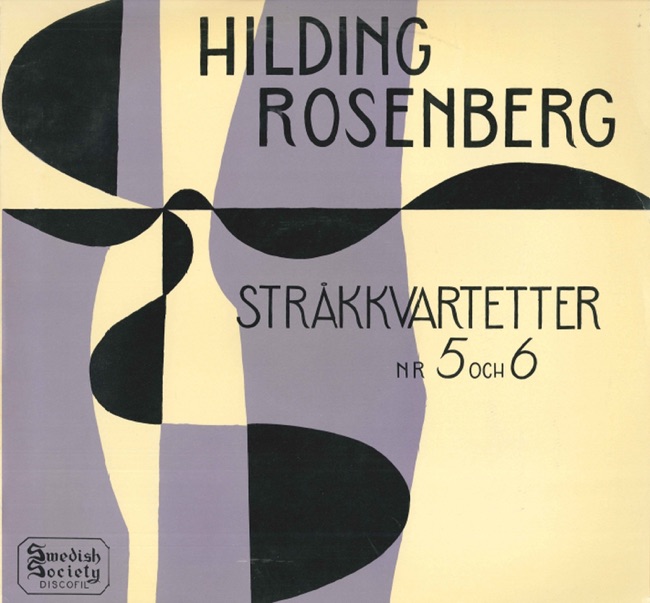
String Quartet No. 5
Released Album
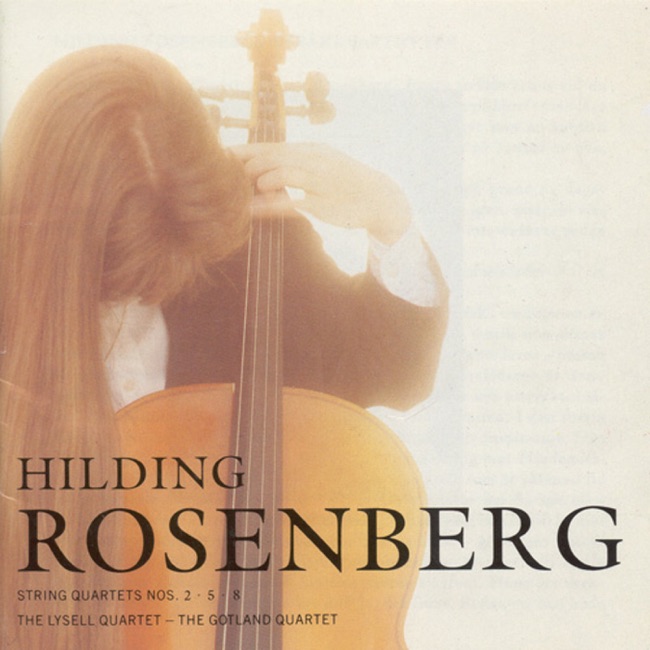
Recent Album
Works Info
Composer:Hilding RosenbergGenre:ChamberStyle:QuartetCompose Date:1949Average_duration:22:54Hilding Rosenberg's String Quartet No. 5 is a significant work in the composer's oeuvre, showcasing his unique style and approach to chamber music. The piece was composed in 1951 and premiered the same year in Stockholm, Sweden. It is a four-movement work that showcases Rosenberg's mastery of form, harmony, and counterpoint. The first movement, marked Allegro moderato, opens with a lively and energetic theme that is passed between the instruments. The theme is developed throughout the movement, with each instrument taking turns playing the melody and accompanying figures. The movement is characterized by its rhythmic drive and use of syncopation, which gives it a lively and playful feel. The second movement, marked Adagio, is a slow and contemplative piece that showcases Rosenberg's gift for melody. The movement opens with a hauntingly beautiful melody played by the first violin, which is then taken up by the other instruments. The movement is characterized by its use of long, sustained notes and its rich harmonies, which create a sense of depth and emotion. The third movement, marked Scherzo, is a lively and playful piece that showcases Rosenberg's sense of humor. The movement opens with a jaunty theme played by the first violin, which is then taken up by the other instruments. The movement is characterized by its use of syncopation and its playful, almost whimsical feel. The final movement, marked Allegro con fuoco, is a fast and fiery piece that showcases Rosenberg's virtuosity as a composer. The movement opens with a driving, rhythmic theme played by the first violin, which is then taken up by the other instruments. The movement is characterized by its use of complex rhythms and its sense of urgency, which gives it a thrilling and exciting feel. Overall, Hilding Rosenberg's String Quartet No. 5 is a significant work in the composer's oeuvre, showcasing his unique style and approach to chamber music. The piece is characterized by its use of complex rhythms, rich harmonies, and virtuosic writing, which make it a challenging and rewarding work for both performers and listeners alike.More....