


Carl Loewe
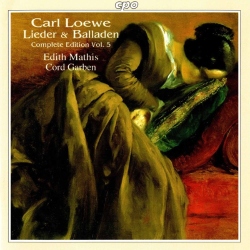
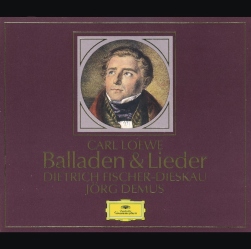
Freibeuter ("Mein Haus hat kein' Thür"), for voice & piano
Released Album
Recent Album
Works Info
Composer:Carl LoeweGenre:VocalStyle:SongAverage_duration:1:25"Freibeuter (Mein Haus hat kein' Thür)" is a song composed by Carl Loewe, a German composer of the Romantic era. The song was composed in 1837 and premiered in the same year. It is a part of Loewe's collection of ballads and songs for voice and piano. The song is divided into three movements, each with its own distinct characteristics. The first movement is marked "Allegro con fuoco" and is characterized by its fast tempo and fiery energy. The piano accompaniment is lively and rhythmic, while the vocal line is full of passion and intensity. The lyrics describe the life of a pirate, or "Freibeuter," who lives a life of adventure and danger on the high seas. The second movement is marked "Andante con moto" and is much slower and more contemplative than the first. The piano accompaniment is more subdued, and the vocal line is more introspective. The lyrics describe the pirate's longing for a home and a sense of belonging, despite the dangers and excitement of his life at sea. The third movement is marked "Allegro vivace" and is characterized by its lively tempo and playful energy. The piano accompaniment is light and bouncy, while the vocal line is full of humor and wit. The lyrics describe the pirate's frustration with the mundane aspects of life on land, such as paying rent and dealing with nosy neighbors. Overall, "Freibeuter (Mein Haus hat kein' Thür)" is a lively and entertaining song that showcases Loewe's skill as a composer of vocal music. The three movements each offer a different perspective on the life of a pirate, from the excitement and danger of life at sea to the longing for a sense of home and belonging. The song remains a popular choice for singers and pianists today, and is a testament to Loewe's enduring legacy as a composer of Romantic music.More....
Works Music
Released Music
1
1:27
2
1:19
3
1:21