Marcel Dupré
The Stations of the Cross, Op. 29
Released Album
Recent Album









Works Info
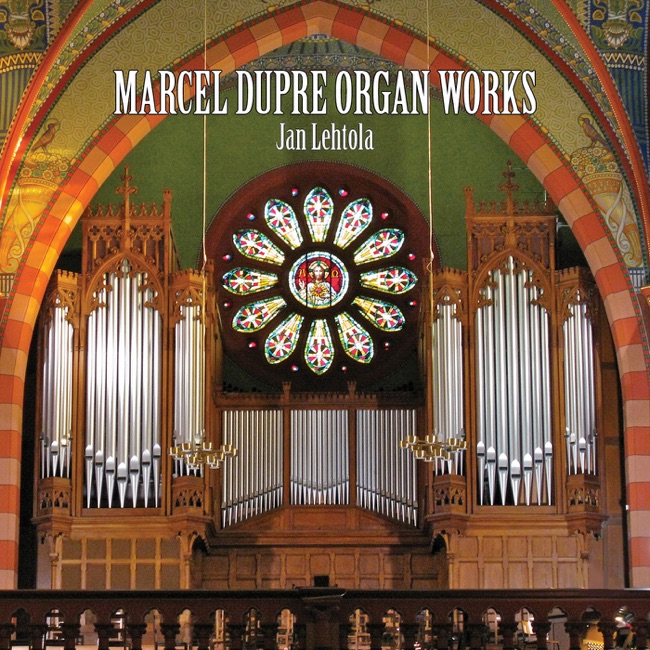
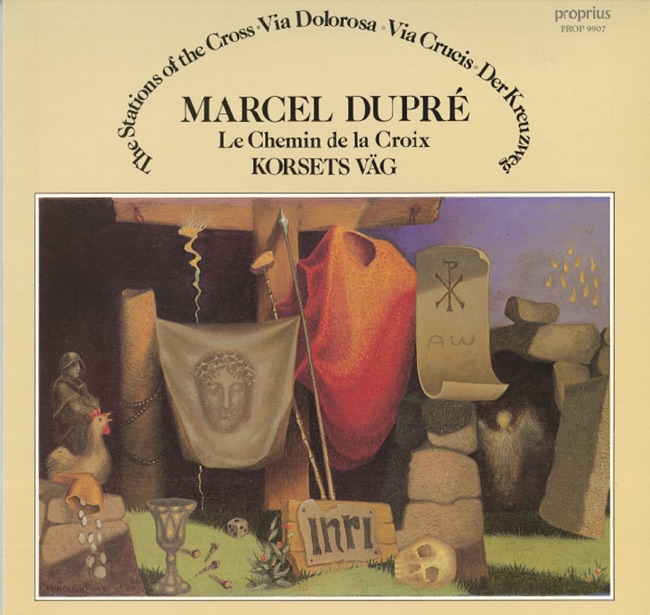
Composer:Marcel DupréGenre:KeyboardStyle:KeyboardAverage_duration:56:38Movement_count:14Movement ....Marcel Dupré's 'The Stations of the Cross, Op. 29' is a monumental work for organ that was composed in 1931. The piece is based on the fourteen stations of the cross, which are a series of events that occurred during Jesus Christ's crucifixion. Each station is represented by a musical movement, and the work as a whole is a powerful meditation on the suffering and sacrifice of Christ. The premiere of 'The Stations of the Cross' took place on March 25, 1931, at the Church of Saint-Sulpice in Paris, where Dupré was the organist. The performance was a great success, and the work quickly became one of Dupré's most famous compositions. The fourteen movements of 'The Stations of the Cross' are as follows: 1. Jesus is condemned to death 2. Jesus takes up his cross 3. Jesus falls the first time 4. Jesus meets his mother 5. Simon of Cyrene helps Jesus carry the cross 6. Veronica wipes the face of Jesus 7. Jesus falls the second time 8. Jesus meets the women of Jerusalem 9. Jesus falls the third time 10. Jesus is stripped of his garments 11. Jesus is nailed to the cross 12. Jesus dies on the cross 13. Jesus is taken down from the cross 14. Jesus is laid in the tomb Each movement is characterized by a different mood and musical style, ranging from the mournful and introspective to the triumphant and exultant. Dupré's use of the organ is masterful, with the instrument's vast range of colors and textures used to great effect throughout the work. Overall, 'The Stations of the Cross, Op. 29' is a deeply moving and powerful work that has become a staple of the organ repertoire. Its enduring popularity is a testament to Dupré's skill as a composer and his ability to capture the essence of this profound religious experience in music.More....
Works Music
Released Music