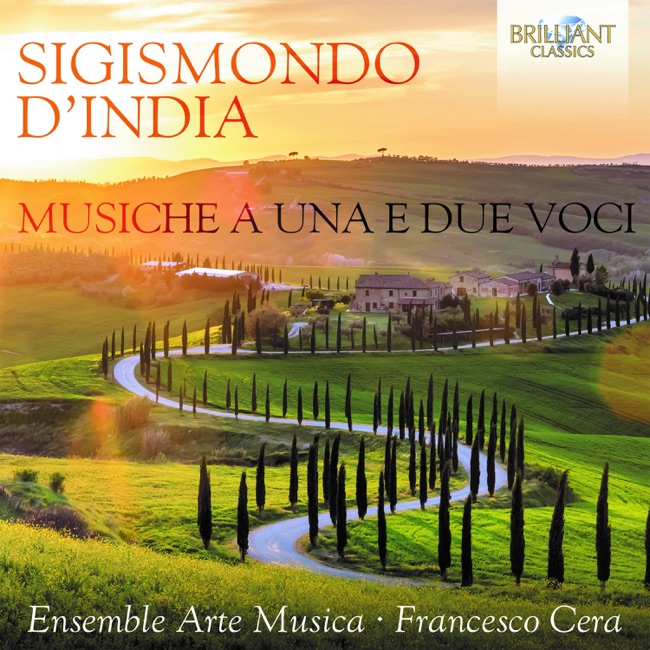
Sigismondo d'India
Vorrei baciarti, o Filli
Released Album
Recent Album

Works Info
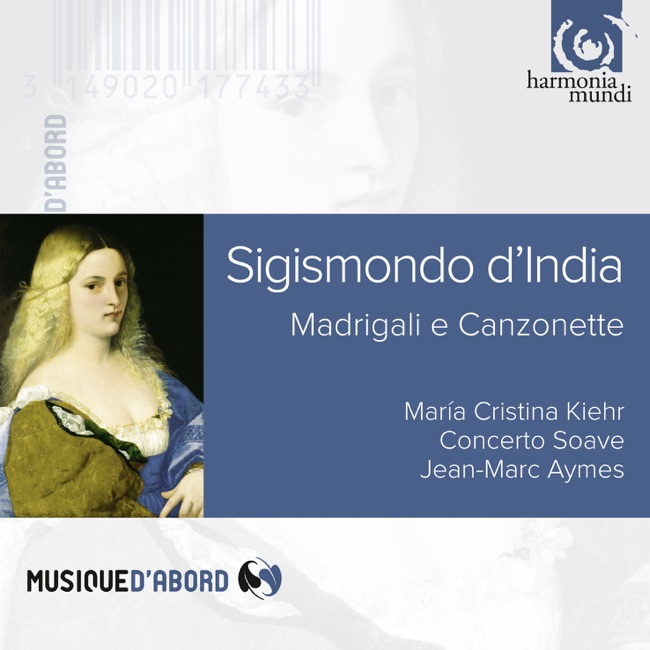
Composer:Sigismondo d'IndiaGenre:VocalStyle:Vocal MusicCompose Date:1609Average_duration:1:54Sigismondo d'India was an Italian composer of the early Baroque period, known for his contributions to the development of the monody style of vocal music. One of his most famous works is the madrigal "Vorrei baciarti, o Filli," which was composed in the early 17th century. The exact date of composition for "Vorrei baciarti, o Filli" is not known, but it is believed to have been written sometime between 1600 and 1620. The piece is a madrigal, which is a type of vocal music that was popular in Italy during the Renaissance and Baroque periods. Madrigals typically feature a single voice or a small group of voices singing a poem in a highly expressive and emotional manner. "Vorrei baciarti, o Filli" is a three-movement madrigal that tells the story of a lover who longs to kiss his beloved, Filli. The first movement is slow and expressive, with the singer expressing his desire to be close to Filli and to feel her lips on his. The second movement is faster and more lively, with the singer describing the joy and excitement he feels when he is with Filli. The final movement is slower and more contemplative, with the singer reflecting on the beauty and perfection of his beloved. One of the most notable characteristics of "Vorrei baciarti, o Filli" is its use of the monody style of vocal music. Monody is a type of music in which a single voice is accompanied by a simple instrumental accompaniment, such as a lute or a harpsichord. This style of music was popular in Italy during the early Baroque period and was used to create highly expressive and emotional music. Another characteristic of "Vorrei baciarti, o Filli" is its use of chromaticism. Chromaticism is a musical technique in which notes outside of the traditional diatonic scale are used to create tension and dissonance. D'India uses chromaticism to great effect in "Vorrei baciarti, o Filli," creating a sense of longing and desire in the music. Overall, "Vorrei baciarti, o Filli" is a beautiful and expressive madrigal that showcases d'India's skill as a composer. Its use of the monody style and chromaticism make it a notable example of early Baroque music, and its emotional intensity continues to captivate audiences today.More....
Works Music
Released Music
1
2:14