Pietro Locatelli
Sonata da camera, for violin & bass in G minor, Op. 6/5
Released Album
Recent Album
Works Info
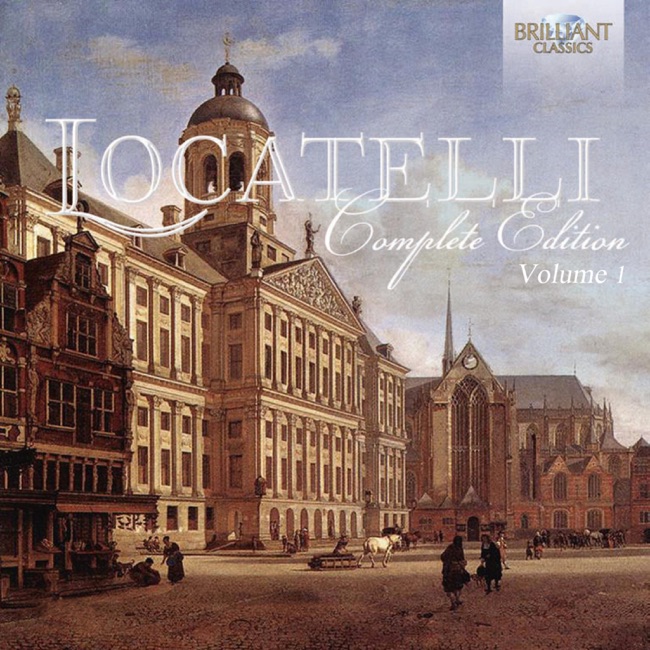
Composer:Pietro LocatelliGenre:ChamberStyle:Chamber MusicPublication Date:1737Average_duration:12:07Pietro Locatelli's Sonata da camera, for violin & bass in G minor, Op. 6/5, is a Baroque composition that was composed in the early 18th century. The piece is believed to have been written around 1725, and it was first premiered in Amsterdam, where Locatelli was living at the time. The sonata is divided into four movements, each with its own distinct character and style. The first movement is marked "Adagio," and it begins with a slow, mournful melody played by the violin. The bass provides a simple, repetitive accompaniment, which creates a sense of tension and anticipation. As the movement progresses, the violin becomes more virtuosic, with fast runs and intricate ornamentation. The second movement is marked "Allegro," and it is a lively dance in triple meter. The violin and bass play off each other, with the violin taking the lead in the more virtuosic passages. The movement is characterized by its rhythmic energy and playful melodies. The third movement is marked "Largo," and it is a slow, lyrical piece that showcases the expressive capabilities of the violin. The bass provides a simple, supportive accompaniment, while the violin sings out a beautiful melody. The movement is marked by its emotional intensity and sense of longing. The final movement is marked "Allegro," and it is a fast, lively dance in duple meter. The violin and bass play off each other once again, with the violin taking the lead in the more virtuosic passages. The movement is characterized by its rhythmic energy and playful melodies, and it brings the sonata to a joyful and exuberant conclusion. Overall, Locatelli's Sonata da camera, for violin & bass in G minor, Op. 6/5, is a masterful example of Baroque chamber music. The piece showcases the virtuosity of the violin, while also highlighting the importance of the bass as a supportive and complementary instrument. The four movements each have their own distinct character and style, but they are united by a sense of emotional intensity and expressive power.More....
Works Music
Released Music