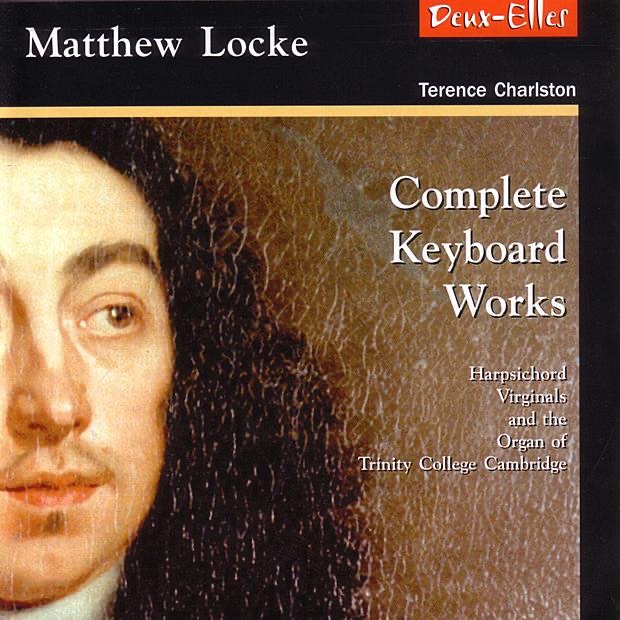
Matthew Locke
Suite, for keyboard in C major (II)
Released Album
Recent Album
Works Info
Composer:Matthew LockeGenre:KeyboardStyle:KeyboardPublication Date:1673Average_duration:8:01Movement_count:5Movement ....Matthew Locke's 'Suite, for keyboard in C major (II)' is a Baroque composition that was composed in the mid-17th century. The exact date of composition is not known, but it is believed to have been written between 1650 and 1670. The suite consists of six movements, each with its own unique characteristics and style. The first movement of the suite is a Prelude, which is a short, improvisatory piece that sets the tone for the rest of the suite. It is characterized by its flowing, arpeggiated figures and its use of ornamentation, such as trills and mordents. The second movement is a Courante, which is a lively dance in triple meter. It is characterized by its fast, flowing rhythms and its use of syncopation. The Courante is often played with a light, bouncy touch, and it is one of the most popular movements in the suite. The third movement is a Sarabande, which is a slow, stately dance in triple meter. It is characterized by its long, flowing melodies and its use of ornamentation, such as grace notes and appoggiaturas. The Sarabande is often played with a rich, full sound, and it is one of the most expressive movements in the suite. The fourth movement is a Gavotte, which is a lively dance in duple meter. It is characterized by its fast, rhythmic melodies and its use of repetition. The Gavotte is often played with a light, playful touch, and it is one of the most energetic movements in the suite. The fifth movement is a Menuet, which is a graceful dance in triple meter. It is characterized by its elegant, flowing melodies and its use of ornamentation, such as trills and turns. The Menuet is often played with a refined, delicate touch, and it is one of the most charming movements in the suite. The final movement is a Gigue, which is a fast, lively dance in compound meter. It is characterized by its rapid, intricate rhythms and its use of syncopation. The Gigue is often played with a crisp, precise touch, and it is one of the most exciting movements in the suite. Overall, Matthew Locke's 'Suite, for keyboard in C major (II)' is a delightful example of Baroque keyboard music. Its six movements showcase a variety of styles and moods, from the improvisatory Prelude to the energetic Gigue. The suite is characterized by its use of ornamentation, its flowing melodies, and its lively rhythms, and it remains a popular choice for keyboard players today.More....
Works Music