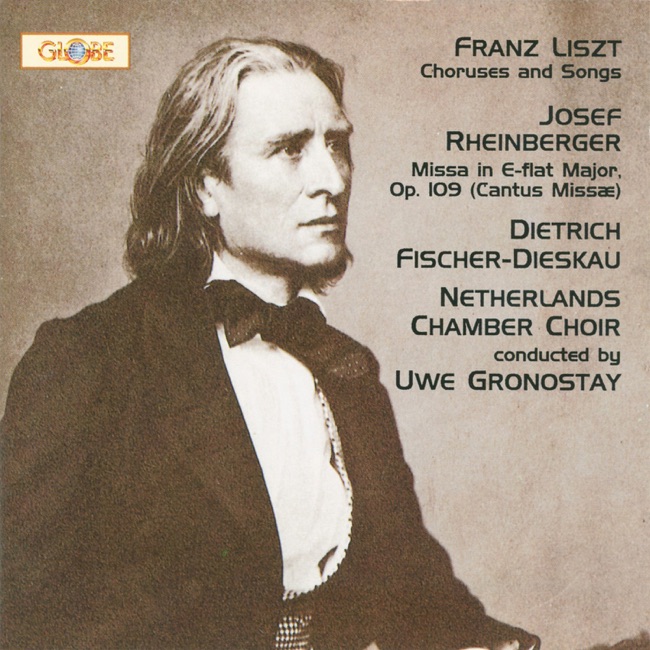
Franz Liszt
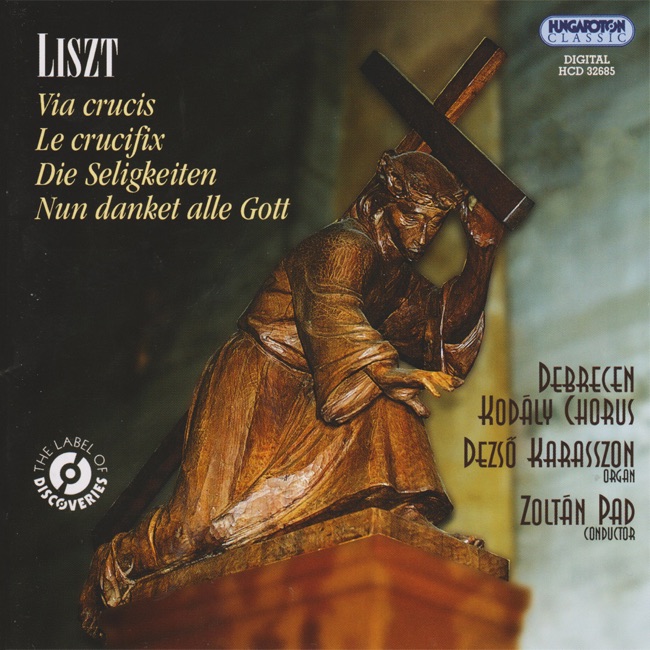
Die Seligkeiten, S. 25
Released Album
Recent Album
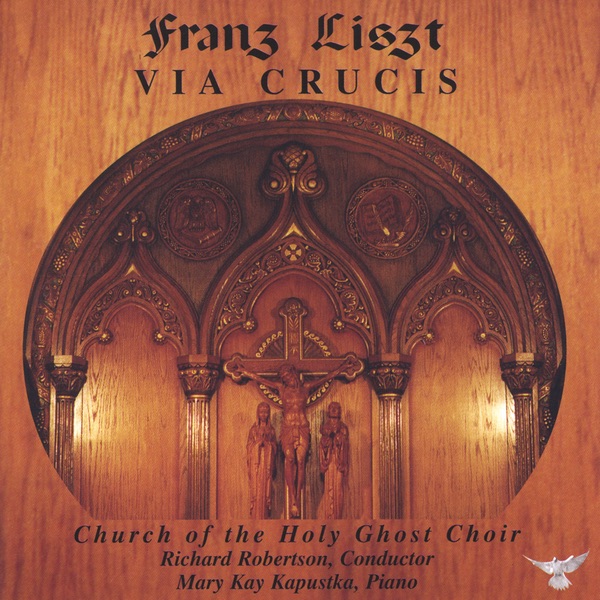
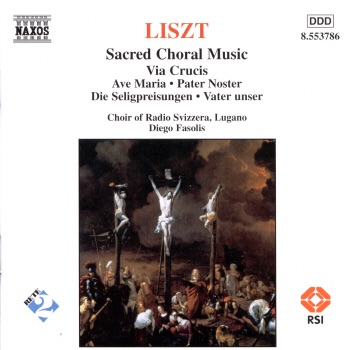
Works Info
Composer:Franz LisztGenre:ChoralStyle:ChoralCompose Date:1859Publication Date:1861First Performance:Oct 2, 1859Average_duration:9:35"Die Seligkeiten" (The Beatitudes) is a sacred choral work composed by Franz Liszt in 1879. It was premiered on August 6, 1880, in the Basilica of San Francesco in Assisi, Italy, during the composer's visit to the city. The work is based on the eight Beatitudes from the Sermon on the Mount in the Gospel of Matthew. The composition consists of eight movements, each corresponding to one of the Beatitudes. The first movement, "Blessed are the poor in spirit," is a solemn and introspective piece, with a simple melody and sparse accompaniment. The second movement, "Blessed are they that mourn," is a mournful and expressive piece, with a rich harmonic language and a sense of longing. The third movement, "Blessed are the meek," is a gentle and peaceful piece, with a flowing melody and a sense of humility. The fourth movement, "Blessed are they which do hunger and thirst after righteousness," is a passionate and intense piece, with a driving rhythm and a sense of urgency. The fifth movement, "Blessed are the merciful," is a tender and compassionate piece, with a lyrical melody and a sense of forgiveness. The sixth movement, "Blessed are the pure in heart," is a serene and contemplative piece, with a delicate and ethereal quality. The seventh movement, "Blessed are the peacemakers," is a majestic and triumphant piece, with a grandiose melody and a sense of unity. The final movement, "Blessed are they which are persecuted for righteousness' sake," is a dramatic and powerful piece, with a sense of struggle and triumph. Overall, "Die Seligkeiten" is a deeply spiritual and emotional work, with a wide range of musical styles and moods. It showcases Liszt's mastery of choral composition, as well as his ability to convey complex emotions through music.More....
Works Music
Released Music
1
9:36
2
9:39