Oskar Fried
Transfigured Night
Released Album
Recent Album
Works Info
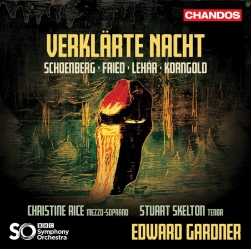
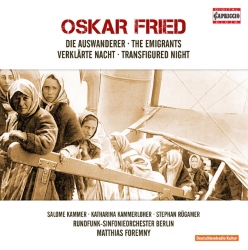
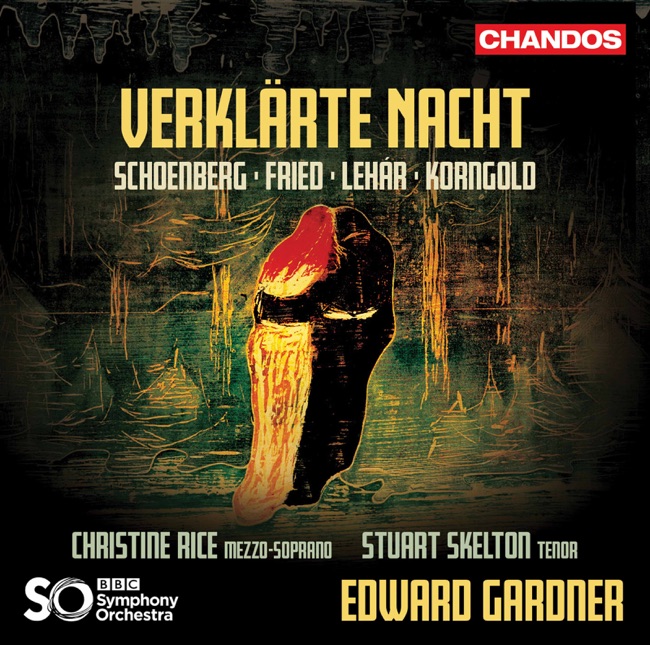
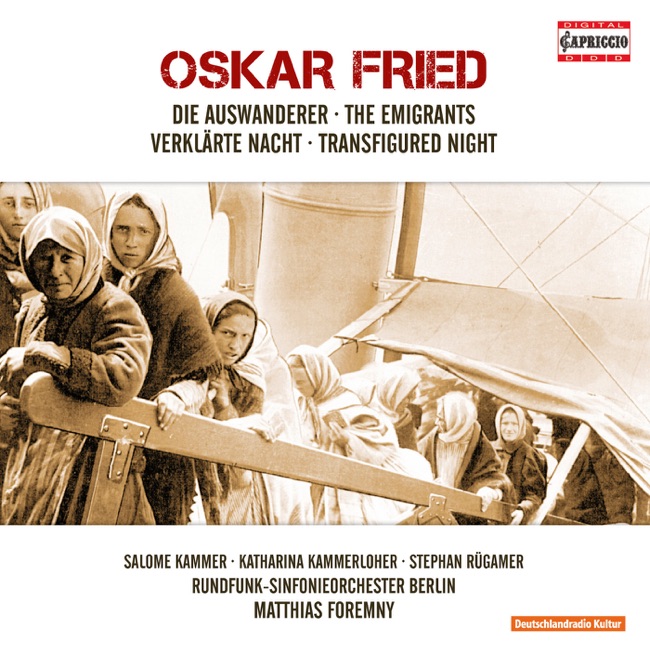
Composer:Oskar FriedGenre:VocalStyle:Vocal Music"Transfigured Night" is a composition by Oskar Fried, a German conductor and composer. It was composed in 1917 and premiered on January 25, 1919, in Berlin. The piece is based on a poem by Richard Dehmel, which tells the story of a man and a woman walking through a dark forest at night. The woman reveals that she is pregnant with another man's child, and the man, who loves her, forgives her and accepts the child as his own. The composition is divided into five movements, each representing a different part of the poem. The first movement, "Sehr langsam" (very slow), sets the scene with a dark and brooding introduction. The second movement, "Breiter" (broader), introduces the man and woman and their conversation. The music is tense and dramatic, reflecting the emotional turmoil of the characters. The third movement, "Schnell" (fast), represents the man's forgiveness and acceptance of the child. The music is joyful and triumphant, with soaring melodies and a sense of release. The fourth movement, "Langsam" (slow), is a quiet and reflective section, representing the couple's reconciliation and acceptance of their situation. The final movement, "Sehr breit" (very broad), brings the piece to a dramatic conclusion. The music is powerful and intense, with a sense of transformation and redemption. The piece ends with a triumphant coda, representing the couple's newfound happiness and hope for the future. "Transfigured Night" is characterized by its lush harmonies, rich orchestration, and emotional intensity. Fried's use of chromaticism and dissonance creates a sense of tension and drama, while his use of melody and harmony creates a sense of beauty and transcendence. The piece is a masterpiece of late Romanticism, and remains one of Fried's most celebrated works.More....