Ibn al-Labbâna
Done la meua ànima
Released Album
Recent Album
Works Info
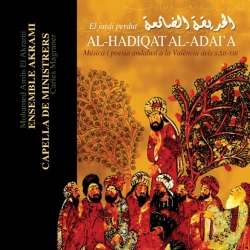
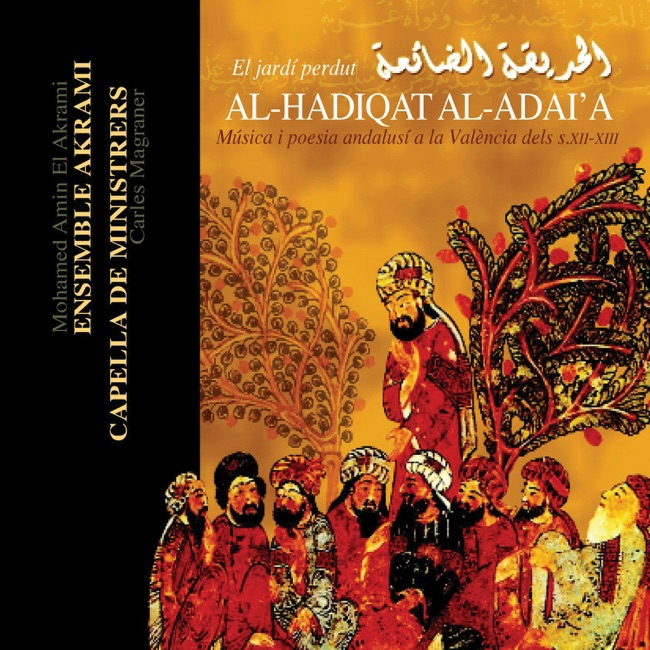
Composer:Ibn al-LabbânaGenre:VocalAverage_duration:3:57'Done la meua ànima' is a medieval Spanish song composed by Ibn al-Labbâna, a poet and musician from Valencia. The song is believed to have been composed in the 13th century, during the time of the Almohad dynasty in Spain. It is a part of the Andalusian musical tradition, which was heavily influenced by Arabic music. The song is a love poem, expressing the poet's longing for his beloved. It is written in the Valencian dialect of Catalan, which was spoken in the region at the time. The title of the song translates to "Where is my soul?" and reflects the poet's search for his lost love. 'Done la meua ànima' is a monophonic song, meaning that it is sung without accompaniment. It is composed in the form of a villancico, a popular Spanish song form that was often used for secular music. The song consists of three stanzas, each with four lines, and a refrain that is repeated after each stanza. The melody of the song is characterized by its use of microtonal intervals, which are smaller than the intervals used in Western music. This gives the melody a distinctive Arabic flavor, reflecting the influence of Arabic music on the Andalusian tradition. The rhythm of the song is also characteristic of the Andalusian tradition, with a steady pulse and a syncopated melody. 'Done la meua ànima' was first performed in the 13th century and has remained popular in the Andalusian tradition ever since. It has been recorded by numerous artists over the years, both in traditional and modern arrangements. The song is a testament to the rich cultural heritage of Spain, reflecting the influence of Arabic music on the country's musical traditions.More....
Works Music
Released Music