


Ibn al-Labbâna
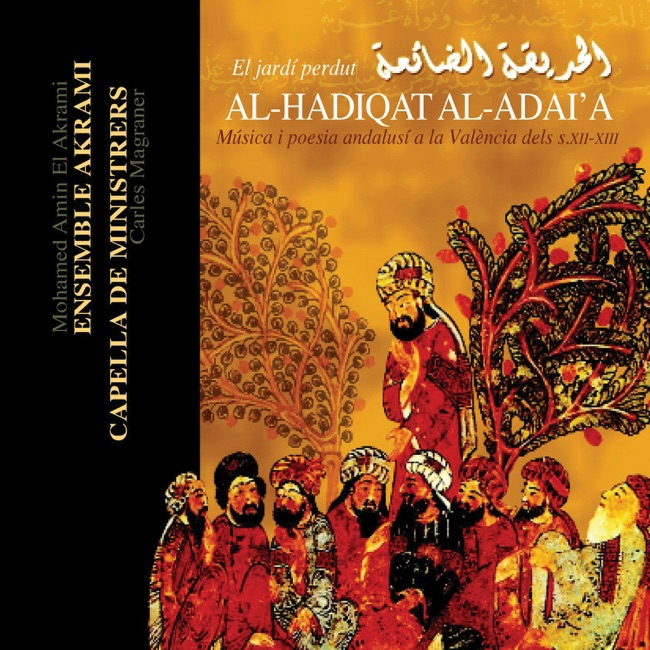
Artist Info
Role:ComposerIbn al-Labbâna was a prominent classical music composer who lived during the 13th century in the Islamic Golden Age. He was born in the city of Toledo, which was then under the rule of the Almohad Caliphate, in the year 1216. His full name was Abu al-Hasan Ali ibn Muhammad ibn al-Labbâna al-Toledani, but he is commonly known as Ibn al-Labbâna. Ibn al-Labbâna grew up in a family of musicians, and his father was a well-known musician and composer. He received his early musical education from his father and other prominent musicians of his time. He showed a great talent for music from a young age and quickly became known for his exceptional skills as a composer. Ibn al-Labbâna's music was heavily influenced by the Andalusian style of music, which was popular in Spain during his time. He was also influenced by the music of the Arab world, particularly the music of the Abbasid Caliphate. He combined these influences to create a unique style of music that was both innovative and deeply rooted in tradition. Ibn al-Labbâna's composed works were diverse and included both vocal and instrumental music. He composed many pieces for the lute, which was a popular instrument in his time. He also composed music for the oud, a stringed instrument that is still popular in the Middle East today. His vocal music included both secular and religious songs, and he was particularly known for his compositions of religious hymns. One of Ibn al-Labbâna's most famous works is his collection of songs called "Kitab al-Adwâr," which translates to "The Book of Cycles." This collection includes 50 songs, each of which is based on a different musical mode. The songs are arranged in a specific order, which creates a cycle of music that is meant to be played in a specific sequence. This collection is considered to be one of the most important works of classical music from the Islamic Golden Age. Another notable work by Ibn al-Labbâna is his collection of instrumental music called "Kitab al-Taqasim," which translates to "The Book of Divisions." This collection includes 20 pieces for the lute, each of which is based on a different musical mode. The pieces are meant to be played as improvisations, with the musician dividing the melody into smaller sections and playing each section in a different way. This collection is considered to be one of the earliest examples of improvisational music in the Islamic world. Ibn al-Labbâna's music was highly regarded during his time, and he was known as one of the greatest musicians and composers of his era. His music was played in courts and palaces throughout the Islamic world, and his influence can be seen in the music of later composers. In addition to his musical accomplishments, Ibn al-Labbâna was also a scholar and a poet. He wrote several books on music theory and composition, and his poetry was highly regarded for its beauty and depth of emotion. Ibn al-Labbâna died in the year 1279, but his music and legacy continue to be celebrated today. His compositions have been preserved in manuscripts and recordings, and his influence can be seen in the music of contemporary musicians. He is remembered as one of the greatest composers of classical music from the Islamic Golden Age, and his contributions to the world of music continue to be appreciated and admired.More....
Recent Artist Music

Copyright Ⓒ 2013 Davinci Finger. All rights reseved
Service Terms & Policy