


Giovanni Battista Bovicelli
Angelus ad pastores (after de Rore's "Anchor che col partire")
Released Album
Recent Album
Featured Album
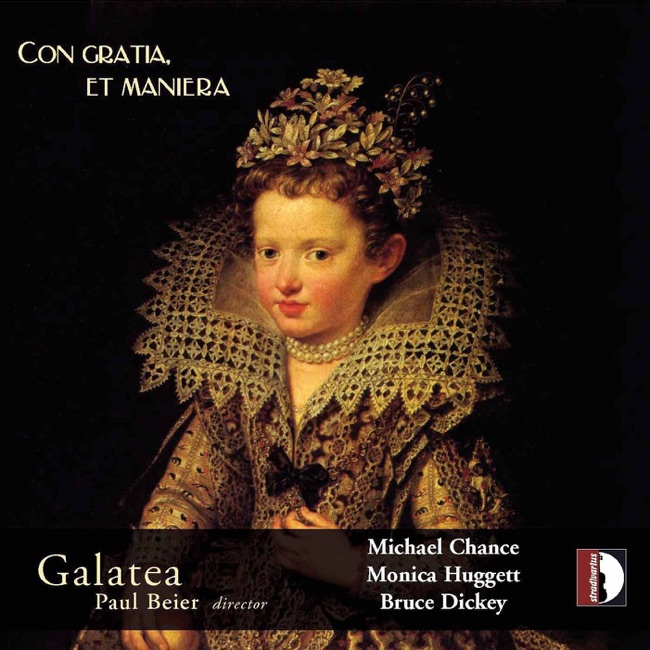
Works Info
Composer:Giovanni Battista BovicelliGenre:ChamberStyle:Chamber MusicAverage_duration:4:08Giovanni Battista Bovicelli was an Italian composer and music theorist who lived during the Renaissance period. He is known for his contributions to the development of music theory and his compositions, which were often based on existing works. One of his most famous compositions is "Angelus ad pastores (after de Rore's Anchor che col partire)," which was composed in the late 16th century. "Angelus ad pastores" is a sacred vocal work that is based on the secular madrigal "Anchor che col partire" by Cipriano de Rore. Bovicelli's composition features four vocal parts, including soprano, alto, tenor, and bass. The piece is divided into three movements, each of which has its own distinct characteristics. The first movement of "Angelus ad pastores" is marked "Allegro" and features a lively, dance-like rhythm. The vocal parts are interwoven in a complex polyphonic texture, with each part contributing to the overall harmonic structure of the piece. The movement is characterized by its joyful, celebratory tone, which reflects the joy of the shepherds who were visited by the angels in the biblical story. The second movement of the piece is marked "Adagio" and is much slower and more contemplative than the first. The vocal parts are more homophonic in nature, with the melody moving primarily in the soprano and tenor parts. The movement is characterized by its mournful, introspective tone, which reflects the sadness of the shepherds who were visited by the angels. The final movement of "Angelus ad pastores" is marked "Allegro" and features a return to the lively, dance-like rhythm of the first movement. The vocal parts are once again interwoven in a complex polyphonic texture, with each part contributing to the overall harmonic structure of the piece. The movement is characterized by its joyful, celebratory tone, which reflects the joy of the shepherds who were visited by the angels. "Angelus ad pastores" was premiered in the late 16th century and quickly became a popular piece among choirs and vocal ensembles. Its use of complex polyphonic textures and its incorporation of a secular madrigal into a sacred vocal work were both innovative for the time. Today, the piece is still performed and studied by musicians and musicologists around the world.More....
Works Music
Released Music
1
Angelus ad pastores (after de Rore's "Anchor che col départe")
Angelus ad pastores (after Cipriano de Rore)
4:5

3
4:8
Featured Music
1
4:22
2
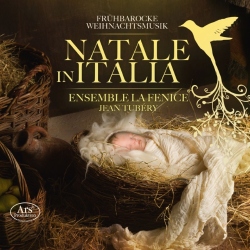
Angelus ad pastores (after de Rore's "Anchor che col départe")
Quem vidistis pastores (cantus planus) / Angelus ad Pastores ait
4:35