


Giovanni Battista Bovicelli
Released Album
Chamber
-
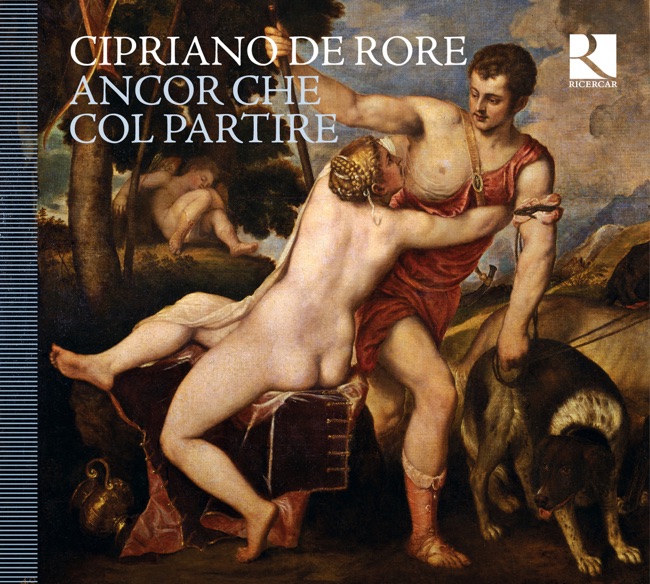 March 31, 2015
 -
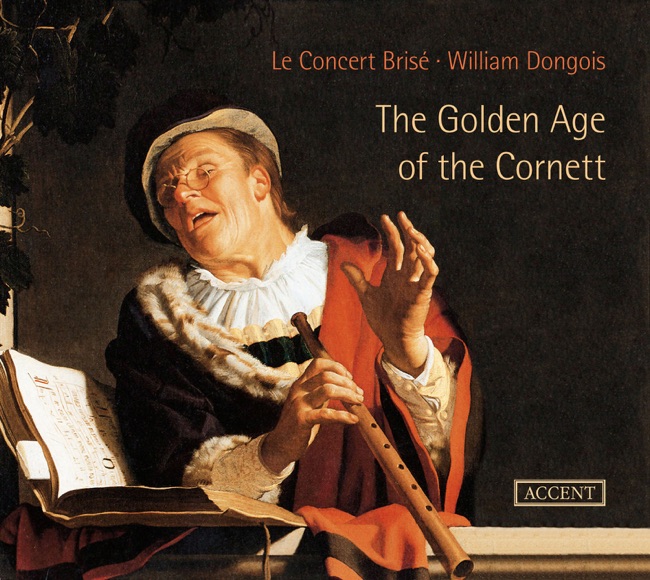 September 10, 2013
 -
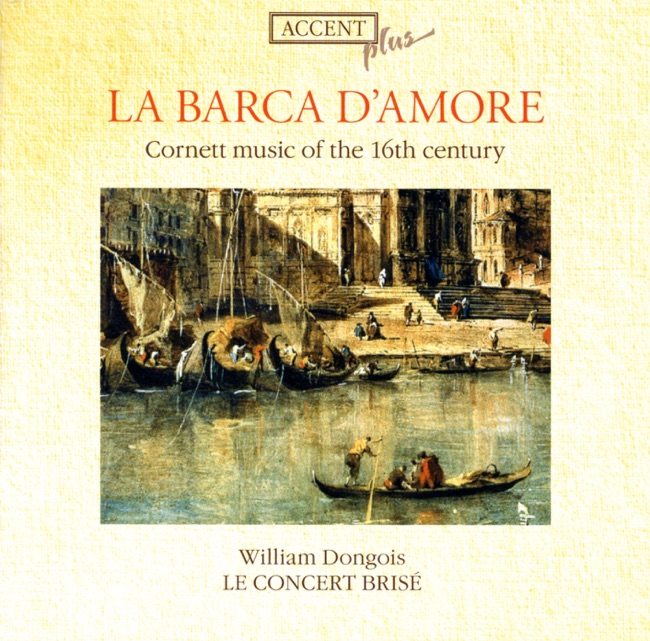 June 30, 2009
Artist Info
Role:ComposerBirth:1550Death:1594Genre:ChamberVocalGiovanni Battista Bovicelli was a prominent Italian composer and music theorist of the late Renaissance period. He was born in Rome in 1550 and spent most of his life in the city, where he became a well-known musician and teacher. Bovicelli's early musical training is not well-documented, but it is believed that he studied with some of the leading composers of his time, including Giovanni Pierluigi da Palestrina and Annibale Zoilo. He also received a thorough education in music theory and composition, which would serve him well throughout his career. Bovicelli's first major work was a collection of madrigals, which he published in 1587. This collection, entitled "Madrigali a cinque voci," was well-received by critics and helped establish Bovicelli as a composer of note. The madrigals in this collection are characterized by their complex harmonies and intricate counterpoint, which demonstrate Bovicelli's mastery of the polyphonic style that was popular during the Renaissance. In addition to his work as a composer, Bovicelli was also a respected music theorist. He wrote several treatises on music theory, including "Regole, passaggi di musica," which was published in 1594. This treatise is notable for its detailed explanations of the rules of counterpoint and its practical advice for composers. Bovicelli's treatises were widely read and influential, and they helped establish him as one of the leading music theorists of his time. Bovicelli's most famous work is his treatise "Il Desiderio," which was published in 1594. This treatise is a comprehensive guide to singing and vocal technique, and it includes detailed instructions on how to produce a beautiful and expressive singing voice. "Il Desiderio" was widely read and influential, and it helped establish Bovicelli as an authority on vocal technique. Bovicelli's music is characterized by its intricate counterpoint and complex harmonies. His compositions are often polyphonic, with multiple voices weaving in and out of each other to create a rich and complex texture. Bovicelli was also known for his use of chromaticism, which was a relatively new technique at the time. Chromaticism involves using notes that are outside of the traditional diatonic scale, and it was a popular technique among composers of the late Renaissance and early Baroque periods. Bovicelli's music was highly regarded during his lifetime, and he was considered one of the leading composers of his time. His works were performed throughout Italy and Europe, and he was often called upon to compose music for important occasions, such as weddings and coronations. Despite his success as a composer and music theorist, Bovicelli's life was not without its challenges. He lived during a time of political and religious upheaval, and he was forced to navigate the complex political landscape of Renaissance Italy. He also faced personal challenges, including financial difficulties and health problems. Bovicelli died in Rome in 1597, at the age of 47. Despite his relatively short life, he left behind a rich legacy of music and music theory that continues to be studied and appreciated today. His works are still performed by choirs and ensembles around the world, and his treatises on music theory continue to be influential among musicians and scholars. In conclusion, Giovanni Battista Bovicelli was a prominent composer and music theorist of the late Renaissance period.More....
Recent Artist Music
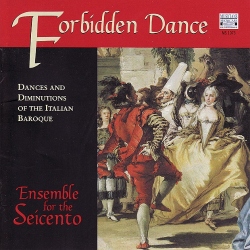
3
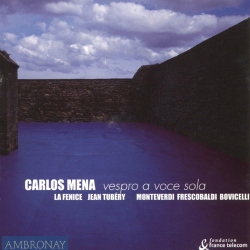
7:53
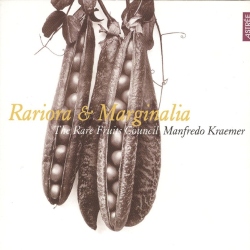
5
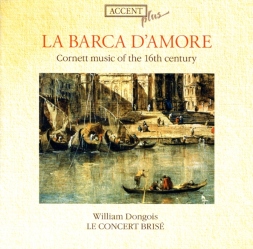
5:36
6
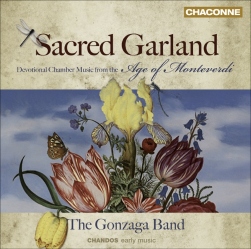
4:8
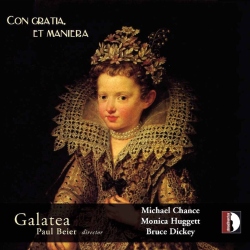
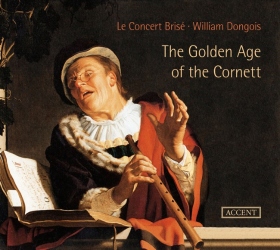
9
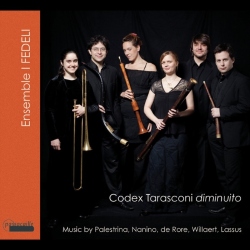
Variations on Palestrina's "I am wounded"
Io son ferito ahi lasso (Diminutions by Giovanni Battista Bovicelli)
5:29
10
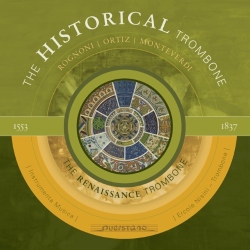
Ave verum, diminution on Palestrina's "I am wounded ouch"
Io son ferito ahi lasso, del Palestrina
7:18

12
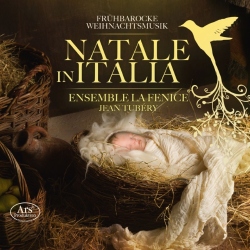
Angelus ad pastores (after de Rore's "Anchor che col départe")
Quem vidistis pastores (cantus planus) / Angelus ad Pastores ait
4:35
14
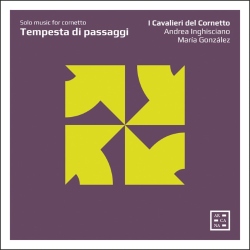
Angelus ad pastores (after de Rore's "Anchor che col départe")
Angelus ad pastores (after Cipriano de Rore)
4:5
Copyright Ⓒ 2013 Davinci Finger. All rights reseved
Service Terms & Policy