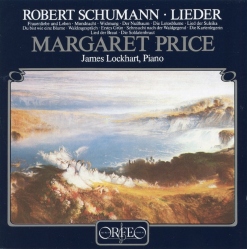
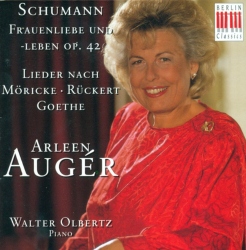
Robert Schumann
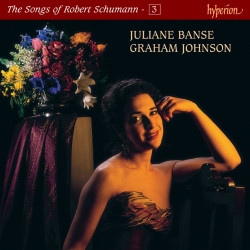
Die Soldatenbraut, Op. 64/1
Released Album
Recent Album




Featured Album
Works Info
Composer:Robert SchumannGenre:VocalStyle:SongCompose Date:1847Average_duration:2:10"Die Soldatenbraut, Op. 64/1" is a song composed by Robert Schumann in 1849. It premiered in Leipzig on December 1, 1850, with the composer's wife, Clara Schumann, as the soloist. The song is part of a larger work, the "Spanisches Liederspiel," which is a collection of songs and duets inspired by Spanish poetry. The song is in three movements, with the first and third being fast and lively, while the second is slower and more introspective. The first movement is marked "Allegro vivace," and features a lively, syncopated rhythm that evokes the excitement and energy of a soldier's bride. The second movement, marked "Andante con moto," is more contemplative, with a gentle melody that expresses the bride's longing for her absent lover. The final movement, marked "Allegro," returns to the lively, energetic mood of the first, with a triumphant melody that celebrates the soldier's return. One of the most striking characteristics of "Die Soldatenbraut" is its use of Spanish rhythms and melodies. Schumann was inspired by the poetry of Spanish writers such as Lope de Vega and Francisco de Quevedo, and he sought to capture the spirit of Spanish music in his compositions. The result is a song that is both lively and passionate, with a distinctive flavor that sets it apart from Schumann's other works. Another notable feature of "Die Soldatenbraut" is its use of vocal ornamentation. Schumann was known for his skillful use of vocal techniques such as trills, runs, and melismas, and he employs these techniques to great effect in this song. The result is a vocal line that is both virtuosic and expressive, conveying the full range of emotions experienced by the soldier's bride. Overall, "Die Soldatenbraut, Op. 64/1" is a masterful example of Schumann's skill as a composer. Its use of Spanish rhythms and melodies, combined with its virtuosic vocal line and expressive ornamentation, make it a standout work in the composer's oeuvre.More....
Works Music
Released Music



Featured Music