Hans Pfitzner
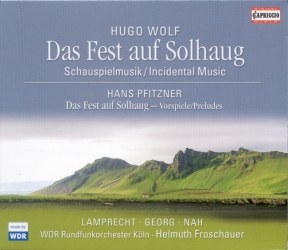
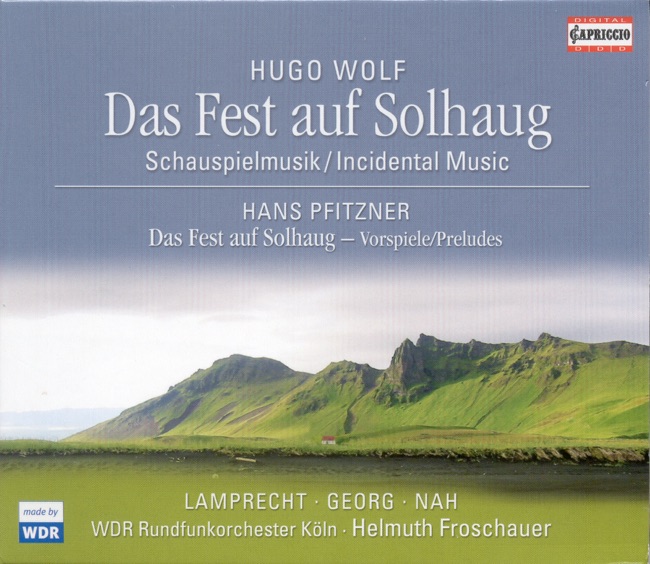
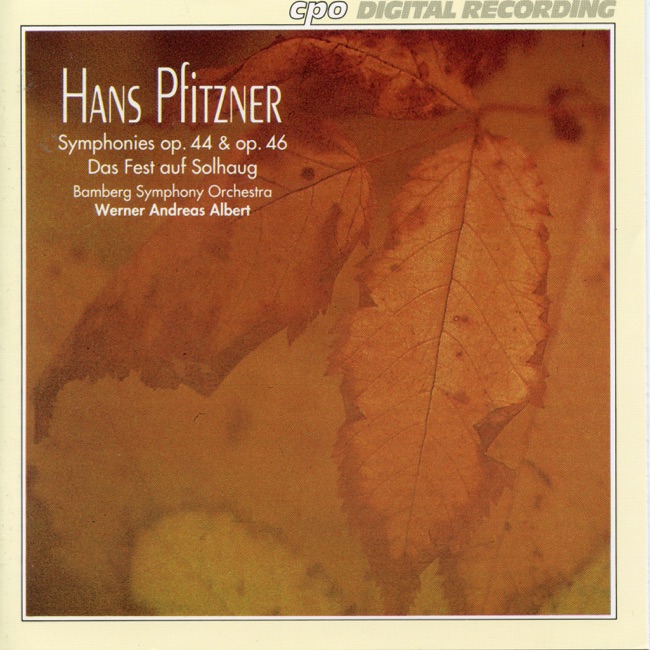
Das Fest auf Solhaug
Released Album
Recent Album
Works Info
Composer:Hans PfitznerGenre:OrchestralStyle:Incidental MusicCompose Date:1889 - 1890Average_duration:24:41Movement_count:3Movement ....Das Fest auf Solhaug is a three-act opera composed by Hans Pfitzner. The opera premiered on November 5, 1901, at the Hoftheater in Munich, Germany. The libretto was written by Henrik Ibsen, a Norwegian playwright, and poet. The opera is based on Ibsen's play of the same name. The first act of the opera is set in the home of Gunhild and Bengt Gauteson, who are celebrating their silver wedding anniversary. The couple's daughter, Margit, is engaged to a wealthy man named Gudmund Alfson. However, Margit is still in love with her former fiancé, Knut Brovik, who is now poor and living in the mountains. Knut arrives at the celebration, and Margit is torn between her love for him and her duty to marry Gudmund. The second act takes place in Knut's mountain cabin. Margit visits Knut and confesses her love for him. However, Knut is bitter and resentful towards Margit for leaving him for a wealthier man. Gudmund also arrives at the cabin, and a confrontation between the three characters ensues. The third act takes place back at the Gauteson's home. Gudmund and Margit are set to be married, but Knut arrives and challenges Gudmund to a duel. The two men fight, and Gudmund is mortally wounded. Margit realizes that her love for Knut was misguided and that she truly loves Gudmund. Gudmund forgives Margit before he dies, and the opera ends with Margit mourning his death. The music of Das Fest auf Solhaug is characterized by its use of leitmotifs, which are musical themes associated with specific characters or ideas. Pfitzner's music is also heavily influenced by the Romantic era, with lush harmonies and sweeping melodies. The opera's score includes a variety of instruments, including strings, woodwinds, brass, and percussion. Overall, Das Fest auf Solhaug is a poignant and dramatic opera that explores themes of love, duty, and sacrifice. Pfitzner's music perfectly captures the emotional intensity of Ibsen's story, making it a timeless masterpiece of the operatic repertoire.More....