Adrian Willaert
Un giorno mi pregò una vedovella
Released Album
Recent Album
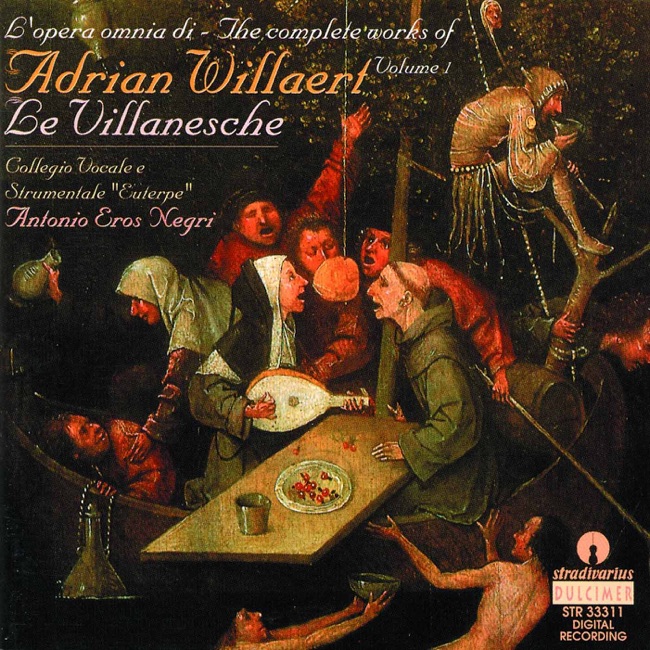
Featured Album
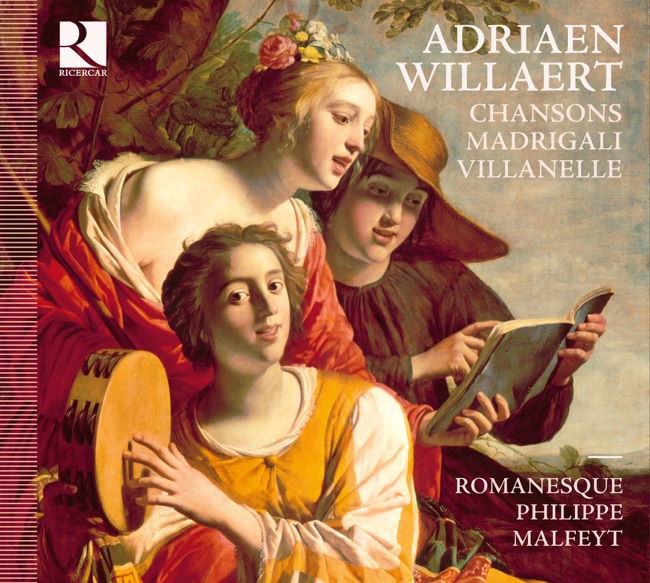
Works Info
Composer:Adrian WillaertGenre:VocalStyle:Vocal MusicPublication Date:1545Average_duration:1:57"Un giorno mi pregò una vedovella" is a madrigal composed by Adrian Willaert, a Flemish composer who lived in the 16th century. The piece was composed in the late Renaissance period, around the year 1540. It is a secular vocal composition that was written for a small group of singers, typically four or five voices. The piece is in three movements, each with its own distinct character. The first movement is slow and contemplative, with a mournful melody that reflects the sadness of the widow who is the subject of the piece. The second movement is more lively and upbeat, with a faster tempo and a more cheerful melody. This section represents the hope and joy that the widow feels when she meets the narrator of the piece. The final movement returns to the slower, more contemplative mood of the first movement, with a melody that is both sad and beautiful. The piece is characterized by its use of polyphony, which is a technique that involves multiple voices singing different melodies at the same time. Willaert was known for his skill in writing polyphonic music, and "Un giorno mi pregò una vedovella" is a prime example of his talent. The piece also features a number of musical devices, such as imitation, where one voice repeats a melody that has just been sung by another voice, and homophony, where all the voices sing the same melody at the same time. Overall, "Un giorno mi pregò una vedovella" is a beautiful and moving piece of music that showcases Willaert's skill as a composer. Its use of polyphony and other musical devices make it a masterpiece of Renaissance music, and it continues to be performed and enjoyed by audiences today.More....