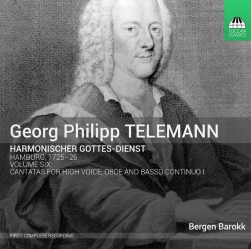
Georg Philipp Telemann
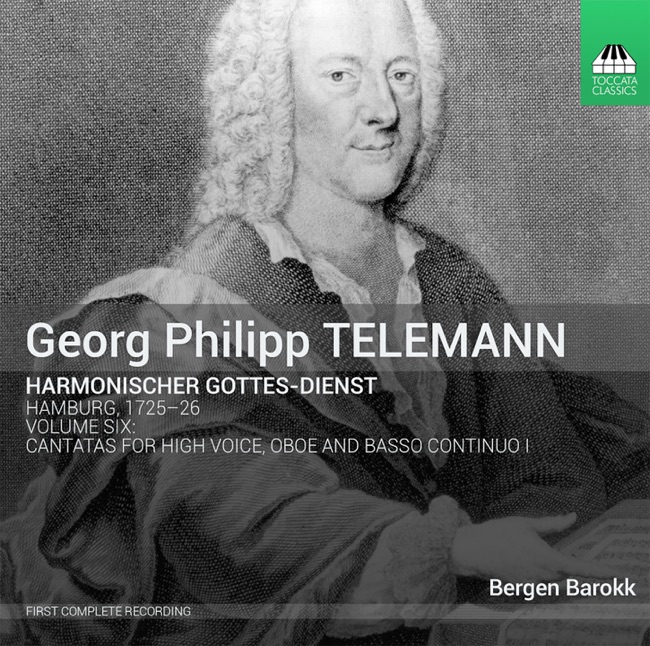
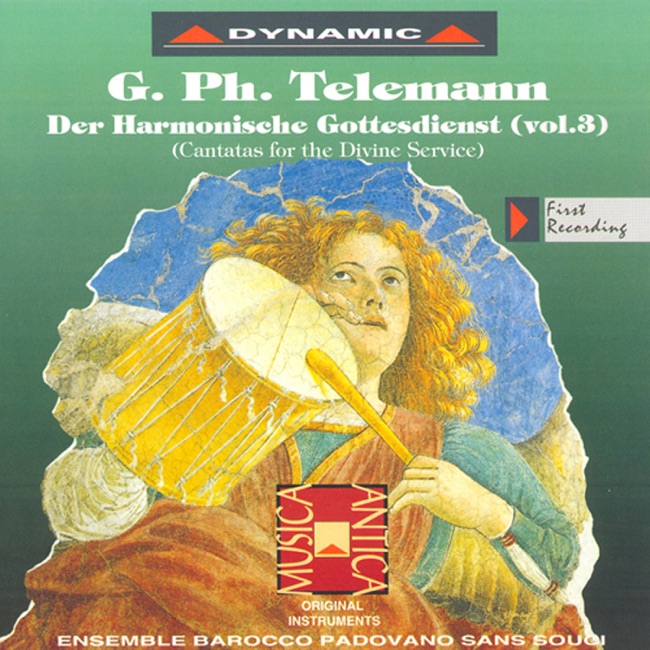
Endlich wird die Stunde schlagen, TWV 1:440
Released Album
Works Info
Composer:Georg Philipp TelemannGenre:VocalStyle:Vocal MusicCompose Date:1725 - 1726Publication Date:1725Average_duration:8:48Georg Philipp Telemann's "Endlich wird die Stunde schlagen" (Finally the Hour Will Strike) is a cantata for solo soprano, strings, and continuo. It was composed in 1725 and premiered in Hamburg, Germany. The cantata consists of three movements and has a total duration of approximately 15 minutes. The first movement, "Endlich wird die Stunde schlagen," is a recitative in which the soprano sings of the impending judgment day. The music is dramatic and urgent, with frequent changes in tempo and dynamics to reflect the text. The strings provide a tense and ominous accompaniment, with dissonant harmonies and sudden shifts in texture. The second movement, "O Tod, wo ist dein Stachel?" (O Death, Where Is Thy Sting?), is an aria in which the soprano reflects on the power of death and the fear it inspires. The music is more lyrical and introspective than the first movement, with a flowing melody and gentle accompaniment. The strings provide a delicate and expressive counterpoint to the soprano's voice, with occasional bursts of energy to underscore the text. The final movement, "So fahr ich hin zu Jesu Christ" (Thus I Go to Jesus Christ), is a joyful aria in which the soprano expresses her faith in the promise of eternal life. The music is lively and celebratory, with a dance-like rhythm and bright, major-key harmonies. The strings provide a buoyant and energetic accompaniment, with frequent interjections and flourishes to enhance the festive mood. Overall, "Endlich wird die Stunde schlagen" is a powerful and expressive work that showcases Telemann's skill as a composer of sacred music. The cantata's vivid imagery and emotional intensity make it a compelling reflection on the themes of death, judgment, and redemption.More....