


Johann Sebastian Bach
Cantata No. 150, "Nach dir, Herr, verlanget mich", BWV 150
Released Album
Recent Album
-
 Classical Archive Stereo ArtsAugust 23, 2024
 -
-
-
-
-
-
-
-
-
-
-
Featured Album
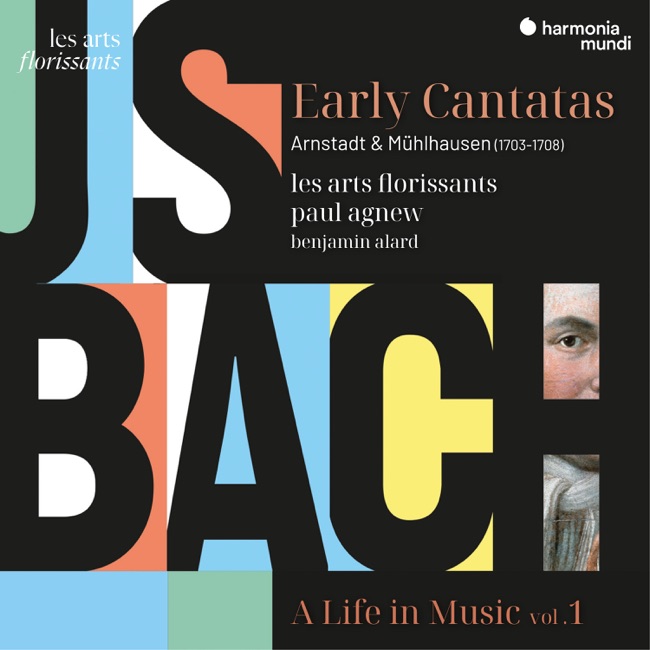
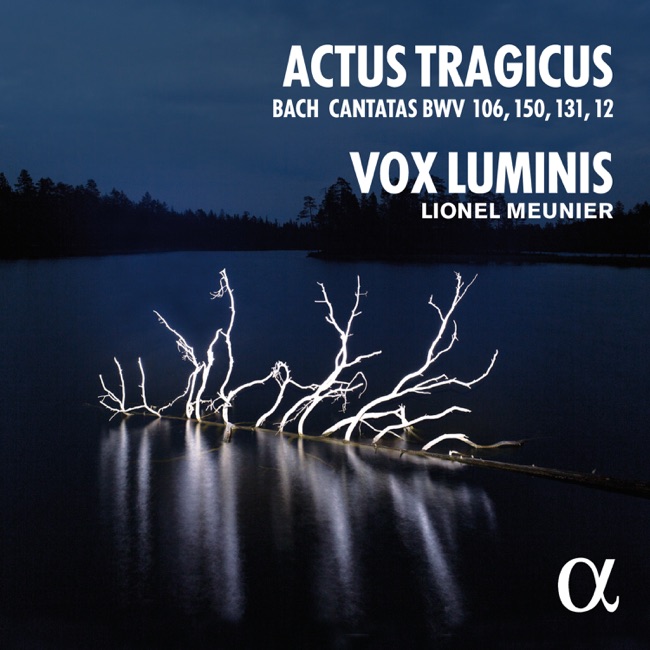
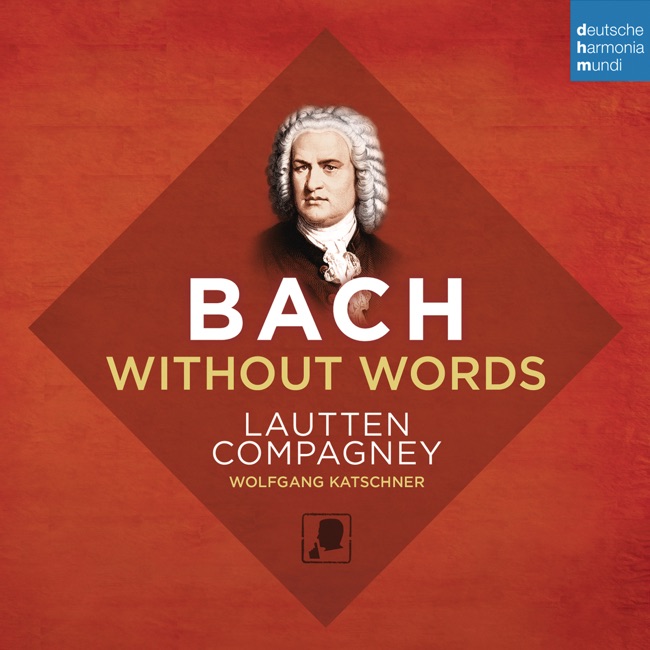
Works Info
Composer:Johann Sebastian BachGenre:ChoralStyle:CantataCompose Date:1706Publication Date:1884Average_duration:15:11Movement_count:7Movement ....Johann Sebastian Bach composed Cantata No. 150, Nach dir, Herr, verlanget mich, BWV 150, in 1708, during his early years as a composer in Weimar. The cantata is scored for a small ensemble of four vocal soloists (soprano, alto, tenor, and bass), a four-part choir, and a chamber orchestra consisting of two violins, viola, and basso continuo (cello, bassoon, and organ). The cantata is divided into four movements, each of which is based on a different biblical text. The first movement is a choral setting of Psalm 25:1-2, "Nach dir, Herr, verlanget mich" (Unto thee, O Lord, do I lift up my soul). The second movement is a duet for soprano and bass, based on Psalm 42:2, "Meine Seele dürstet nach Gott" (My soul thirsteth for God). The third movement is a recitative for alto, based on Psalm 84:2, "Meine Seele verlanget und sehnet sich" (My soul longeth, yea, even fainteth for the courts of the Lord). The final movement is a choral setting of Psalm 63:1, "Gott, du bist mein Gott" (O God, thou art my God). The cantata is characterized by its expressive and introspective tone, which reflects the text's themes of longing, thirst, and desire for God. The opening choral movement is particularly notable for its use of suspensions and dissonances, which create a sense of tension and yearning. The duet for soprano and bass is a tender and intimate dialogue between the soul and God, while the alto recitative is a plaintive expression of the soul's longing for the divine. The final choral movement is a joyful affirmation of faith, with the choir proclaiming "I will seek thee early" in a lively and exuberant setting. Overall, Cantata No. 150 is a beautiful and deeply spiritual work that showcases Bach's mastery of vocal and instrumental writing, as well as his ability to convey complex emotions through music. Its themes of longing and devotion continue to resonate with audiences today, making it a beloved and enduring masterpiece of the Baroque era.More....
Works Music
Released Music
4

1:41
5
Cantata no. 150, "After you, Lord, long for me", BWV 150
II. Coro. Nach dir, Herr, verlanget mich
3:32
6
1:41
8
1:29
9
2:29
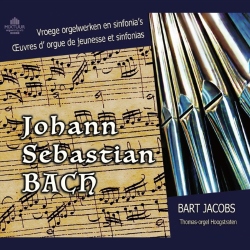
Featured Music
1
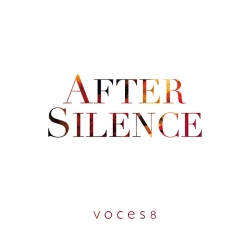
1:29
2
Cantata no. 150, "After you, Lord, long for me", BWV 150
2. Chorus. Nach dir, Herr, verlanget mich
3:19
3
Cantata no. 150, "After you, Lord, long for me", BWV 150
3. Aria. Doch bin und bleibe ich vernügt
1:33
4
Cantata no. 150, "After you, Lord, long for me", BWV 150
5. Aria. Zedern müssen von den Winden
1:9
6
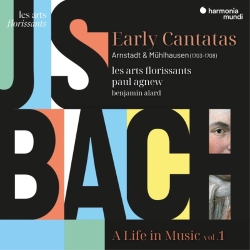
1:30
7
Cantata no. 150, "After you, Lord, long for me", BWV 150
Coro: Nach dir, Herr, verlanget mich
3:12
8
Cantata no. 150, "After you, Lord, long for me", BWV 150
Aria: Doch bin und bleibe ich vergnüg
1:30

Main Perform Artists
Soprano (Vocal)
Alto Vocals
Alto Vocals
Bass (Vocal)
Soprano Vocal
Tenor Vocal