Hanns Eisler
Woodbury-Liederbüchlein
Released Album
Recent Album
Works Info
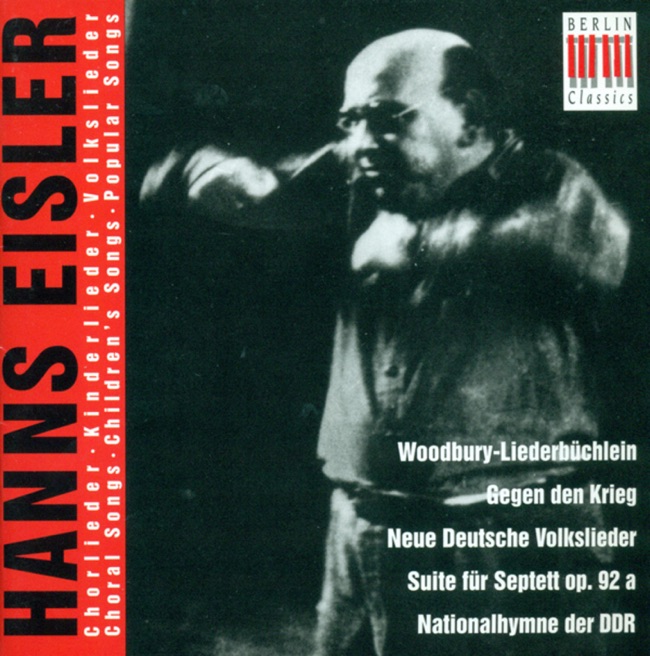
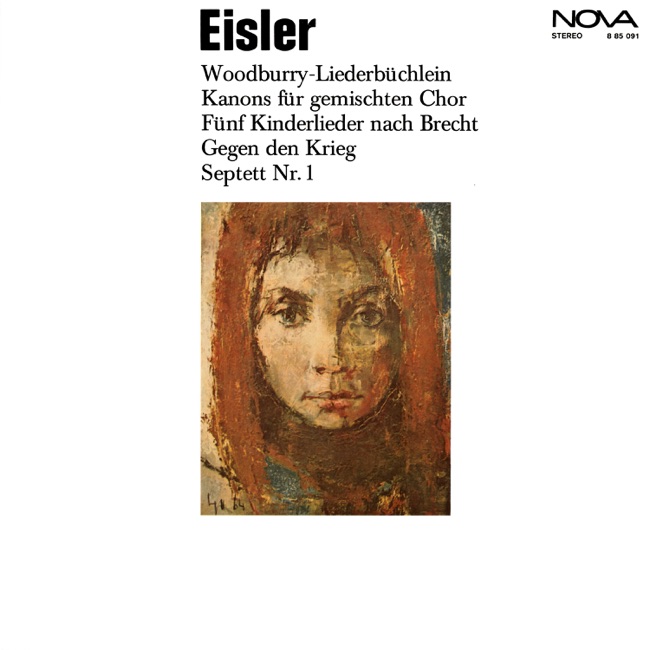
Composer:Hanns EislerGenre:ChoralStyle:ChoralCompose Date:1941Average_duration:19:07Hanns Eisler's 'Woodbury-Liederbüchlein' is a song cycle composed in 1942 while he was living in the United States. The cycle consists of 14 songs, each with a different text, and is scored for voice and piano. The premiere of the cycle took place in New York City in 1943. The cycle is divided into three movements, with the first movement consisting of six songs, the second movement consisting of four songs, and the third movement consisting of four songs. The texts for the songs were written by various poets, including Bertolt Brecht, Heinrich Heine, and Walt Whitman. The first movement of the cycle is characterized by its political themes, with songs such as "The Song of the United Front" and "The Internationale" expressing Eisler's communist beliefs. The second movement is more personal in nature, with songs such as "The Ballad of Marie Sanders" and "The Ballad of the Drowned Girl" exploring themes of love and loss. The third movement returns to political themes, with songs such as "The Song of the Brownshirt" and "The Song of the Free Press" addressing issues of fascism and censorship. Eisler's use of dissonance and unconventional harmonies in the cycle reflects his modernist musical style, which was influenced by his studies with Arnold Schoenberg. The cycle also features Eisler's use of sprechgesang, a vocal technique that falls somewhere between singing and speaking, which he often used in his compositions. Overall, 'Woodbury-Liederbüchlein' is a powerful and thought-provoking work that reflects Eisler's political and musical beliefs. Its premiere in the United States helped to establish Eisler as an important figure in the American musical scene, and the cycle remains an important work in his oeuvre.More....
Works Music
Released Music