Heitor Villa-Lobos
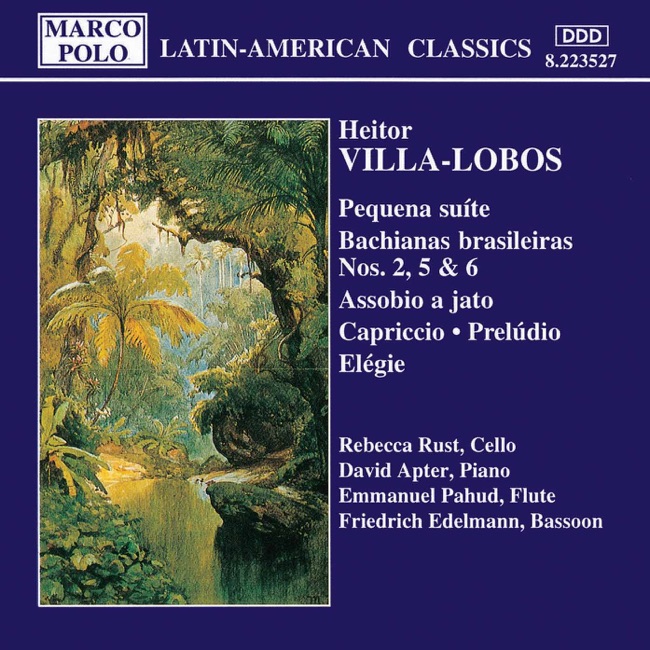
Capriccio, A. 91, Op. 49
Released Album
Recent Album
-
-
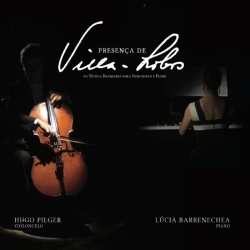
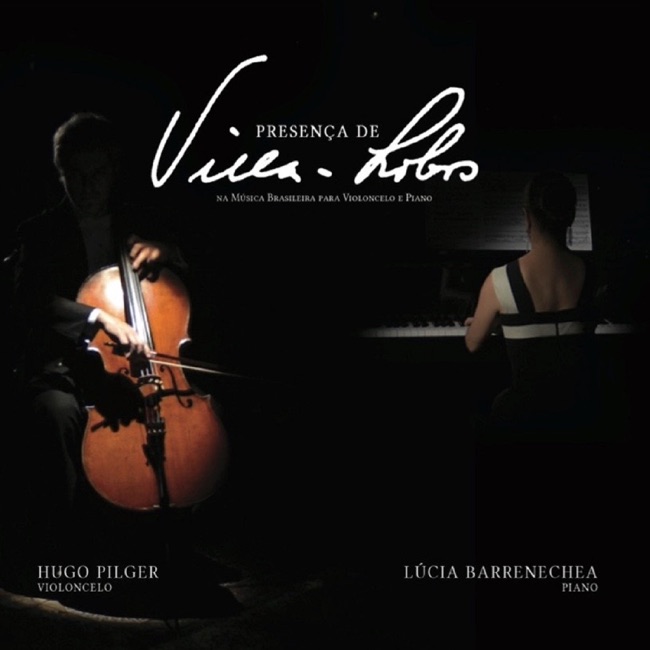 Lúcia BarrenecheaNovember 21, 2013
 -
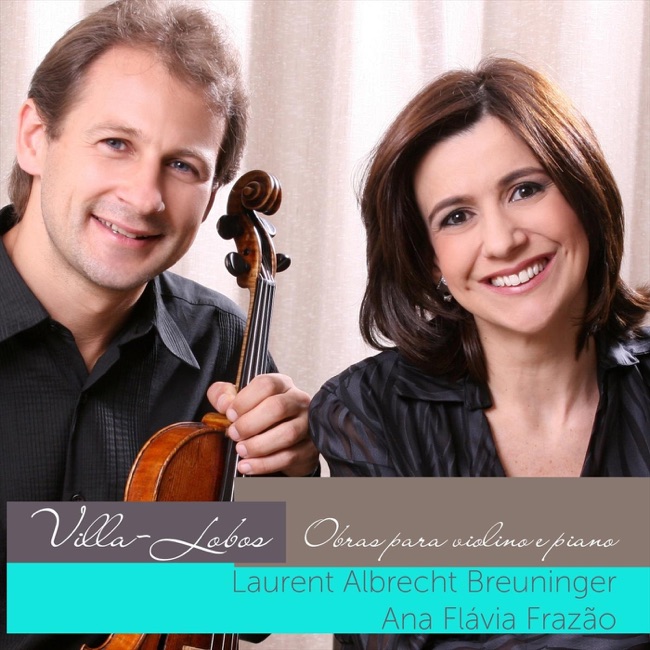
-
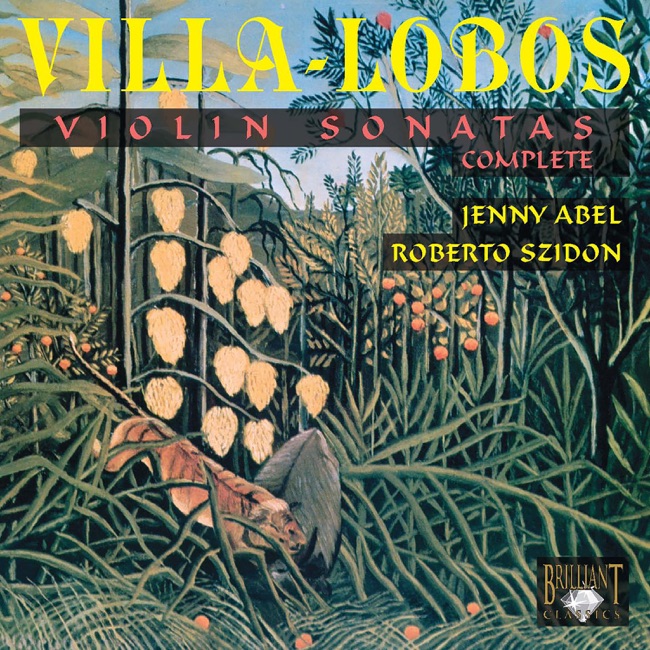
-
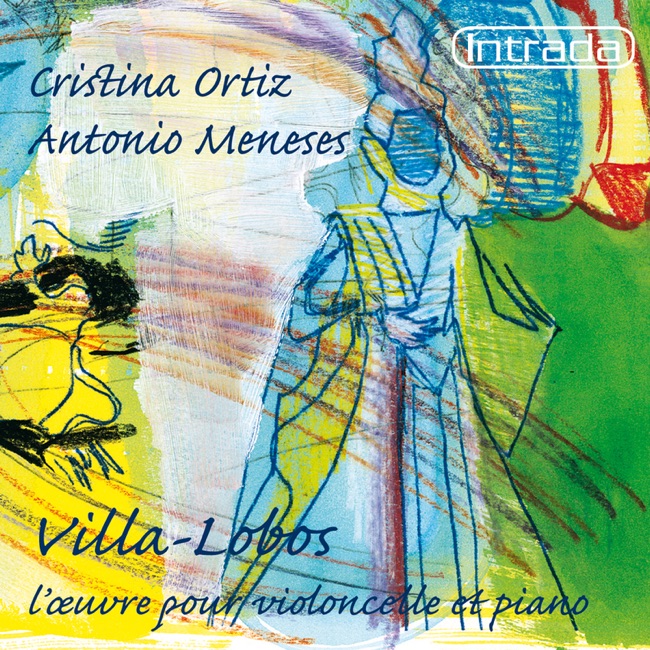
-
-
Works Info
Composer:Heitor Villa-LobosGenre:ChamberStyle:Chamber MusicCompose Date:1915Average_duration:5:09Capriccio, A. 91, Op. 49 is a composition for solo piano by the Brazilian composer Heitor Villa-Lobos. It was composed in 1949 and premiered in Rio de Janeiro the same year. The piece is divided into three movements and has a total duration of approximately 10 minutes. The first movement, marked Allegro moderato, is characterized by its lively and playful nature. It begins with a series of rapid arpeggios in the right hand, which are accompanied by a syncopated rhythm in the left hand. The main theme is introduced shortly thereafter, and is characterized by its syncopated rhythm and playful melody. The movement is full of virtuosic passages, including rapid runs and arpeggios, and ends with a flourish. The second movement, marked Lento, is a stark contrast to the first. It is a slow and introspective piece, characterized by its haunting melody and melancholic harmonies. The movement is built around a simple, yet beautiful, melody that is introduced in the right hand. The left hand provides a simple accompaniment, consisting of slow, sustained chords. The movement builds to a climax before subsiding into a quiet, introspective coda. The final movement, marked Allegro, is a return to the playful and virtuosic nature of the first. It begins with a rapid, syncopated rhythm in the left hand, which is soon joined by a lively melody in the right hand. The movement is full of virtuosic passages, including rapid runs, arpeggios, and octave jumps. The main theme is developed throughout the movement, with each iteration becoming more complex and virtuosic. The movement ends with a flourish, bringing the piece to a thrilling conclusion. Overall, Capriccio, A. 91, Op. 49 is a virtuosic and playful piece that showcases Villa-Lobos' mastery of the piano. The piece is full of technical challenges, including rapid runs, arpeggios, and octave jumps, and requires a high level of skill to perform. The contrast between the playful first and third movements and the introspective second movement adds depth and complexity to the piece, making it a rewarding and engaging work for both performers and audiences alike.More....