Tomaso Albinoni
Concerto à cinque, Op. 10 No. 2 in G minor
Released Album
Recent Album
Works Info
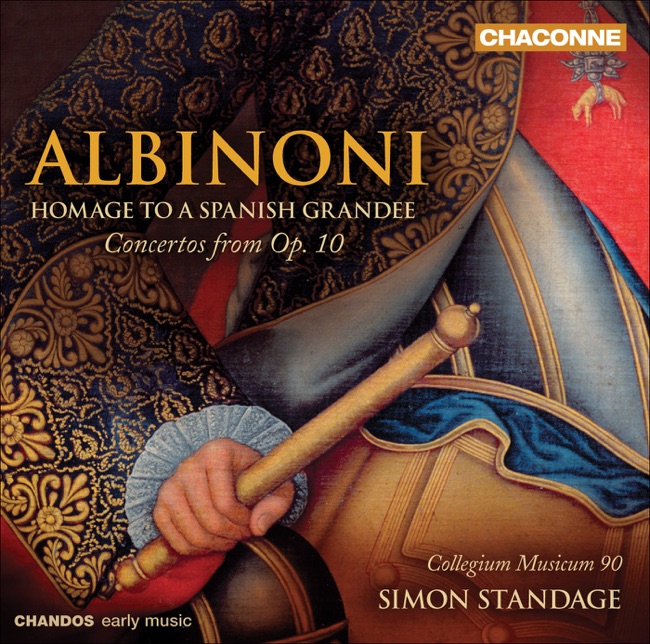
Composer:Tomaso AlbinoniGenre:ConcertoStyle:ConcertoCompose Date:1735 - 1736Publication Date:1736Tomaso Albinoni's Concerto à cinque, Op. 10 No. 2 in G minor, is a Baroque concerto for solo violin, strings, and continuo. It was composed in the early 18th century and premiered in Venice, Italy. The concerto is divided into three movements: Allegro, Adagio, and Allegro. The first movement, Allegro, is characterized by its fast tempo and lively rhythms. The solo violin leads the way with virtuosic runs and trills, while the strings and continuo provide a steady accompaniment. The movement is in sonata form, with a primary theme that is developed and varied throughout. The second movement, Adagio, is a slow and expressive aria-like melody. The solo violin sings a mournful melody over a simple accompaniment of strings and continuo. The movement is in ABA form, with the middle section featuring a more complex and ornamented version of the main melody. The final movement, Allegro, is a lively and energetic dance. The solo violin once again takes center stage with its virtuosic runs and trills, while the strings and continuo provide a lively accompaniment. The movement is in rondo form, with a recurring theme that alternates with contrasting sections. Overall, Albinoni's Concerto à cinque, Op. 10 No. 2 in G minor, is a prime example of Baroque concerto writing. It features a virtuosic solo violin, a lively accompaniment of strings and continuo, and a clear structure with distinct movements. The concerto showcases Albinoni's skill as a composer and his ability to create music that is both technically challenging and emotionally expressive.More....
Works Music