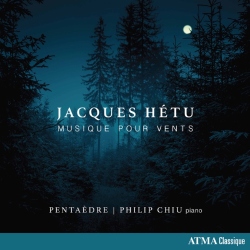
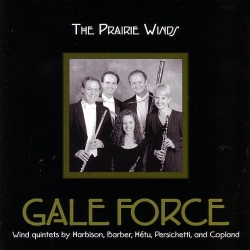
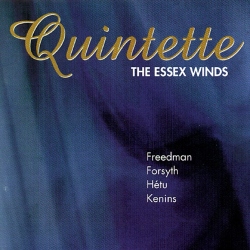
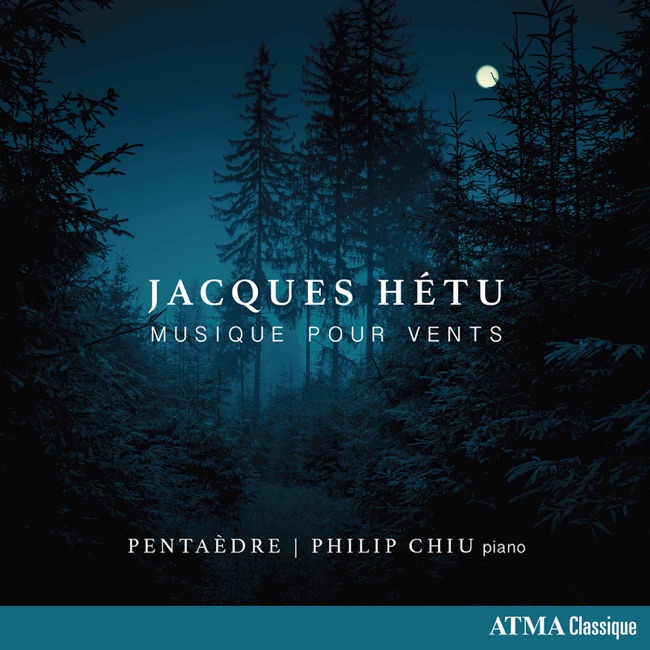
Jacques Hétu
Quintette for woodwinds, Op. 13
Released Album
Recent Album
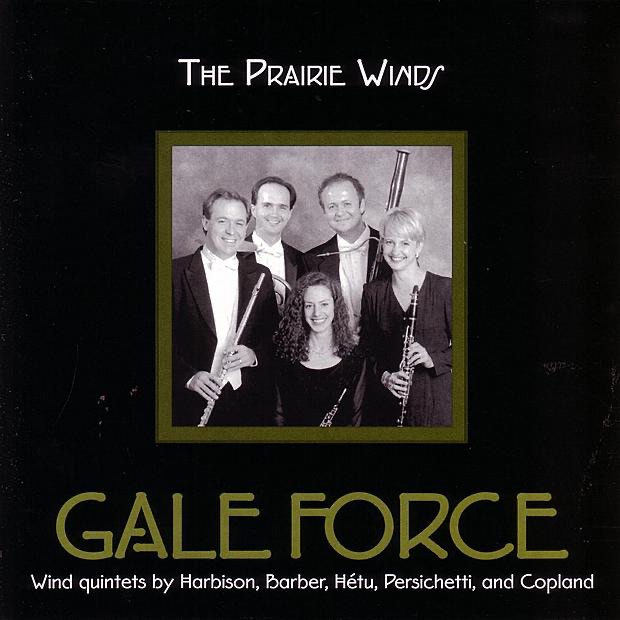
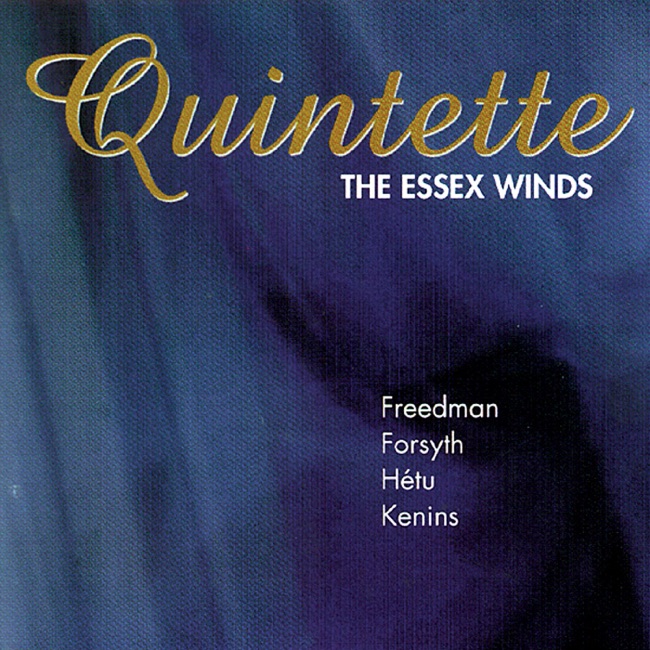
Works Info
Composer:Jacques HétuGenre:ChamberStyle:QuintetCompose Date:1967Average_duration:11:39Movement_count:4Movement ....Jacques Hétu's Quintette for woodwinds, Op. 13, was composed in 1976 and premiered on March 6, 1977, in Montreal, Canada. The piece is divided into three movements, each with its own distinct character and mood. The first movement, marked Allegro moderato, begins with a lively and energetic theme introduced by the flute and clarinet. The theme is then passed around the ensemble, with each instrument adding its own unique color and texture. The middle section of the movement features a more lyrical and introspective theme, which is developed and expanded upon before returning to the opening material. The second movement, marked Andante, is a slow and contemplative piece that showcases the expressive capabilities of the woodwind quintet. The opening theme is introduced by the oboe and is then passed around the ensemble, with each instrument adding its own embellishments and variations. The middle section of the movement features a hauntingly beautiful melody played by the bassoon, which is then echoed and developed by the other instruments. The final movement, marked Allegro vivace, is a lively and playful piece that brings the quintet to a rousing conclusion. The movement is characterized by its rhythmic vitality and virtuosic writing for the individual instruments. The opening theme is introduced by the clarinet and is then passed around the ensemble, with each instrument adding its own flourishes and decorations. The middle section of the movement features a more subdued and lyrical theme, which is then developed and expanded upon before returning to the opening material. Overall, Hétu's Quintette for woodwinds, Op. 13, is a masterful work that showcases the unique timbres and expressive capabilities of the woodwind quintet. The piece is characterized by its lively rhythms, expressive melodies, and virtuosic writing for the individual instruments.More....