Jacques Offenbach
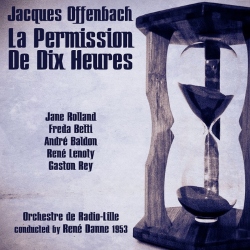
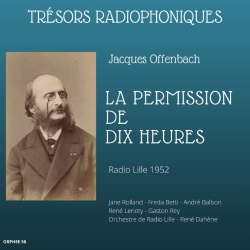
La permission de dix heures
Released Album
Recent Album
Works Info
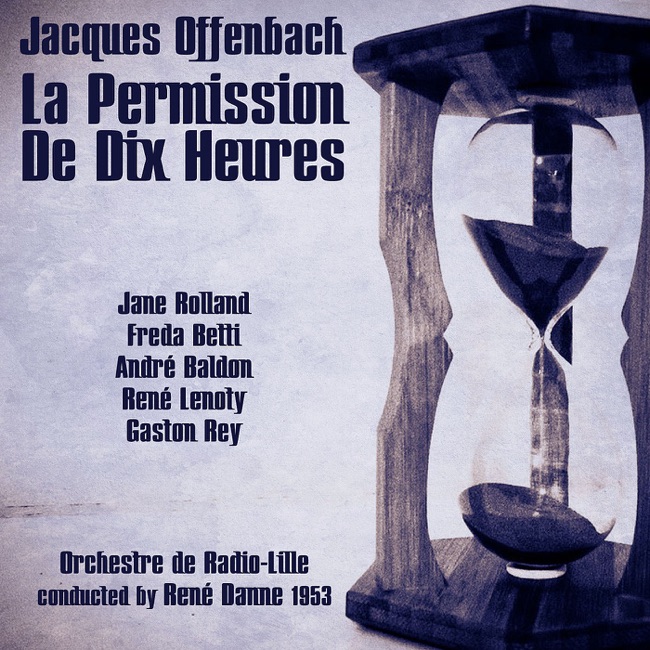
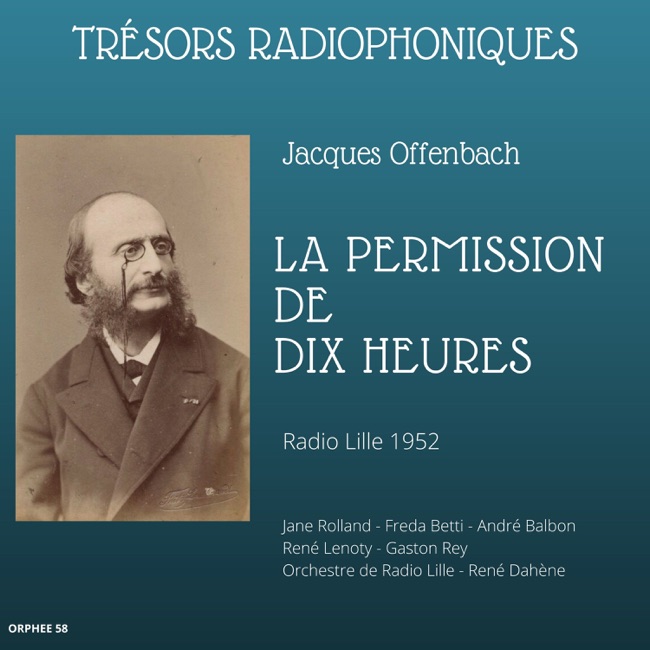
Composer:Jacques OffenbachGenre:OperaStyle:OperaFirst Performance:1867"La permission de dix heures" is an opera composed by Jacques Offenbach, with a libretto by Ludovic Halévy and Henri Meilhac. The opera was composed in 1867 and premiered on December 14th of the same year at the Théâtre des Bouffes-Parisiens in Paris. The plot of the opera revolves around a young soldier named Fritz who is granted a ten-hour leave from his military duties. He decides to spend his time with his lover, the beautiful and flirtatious Lischen. However, Lischen is also being pursued by another soldier, the jealous and hot-headed Wenzel. As Fritz and Lischen try to enjoy their brief time together, they are constantly interrupted by Wenzel's attempts to win Lischen's affections and the strict military regulations that dictate Fritz's movements. The opera is divided into three movements, each with its own distinct tone and style. The first movement is a lively and comedic portrayal of the soldiers' antics and their attempts to woo Lischen. The second movement takes a more serious turn as Fritz and Lischen confront the reality of their situation and the limitations imposed on them by their social status and military obligations. The final movement is a rousing and triumphant celebration of love and freedom as Fritz and Lischen are finally able to be together. One of the characteristics of "La permission de dix heures" is its use of Offenbach's signature style of operetta, which combines light-hearted humor with catchy melodies and lively dance numbers. The opera also features a number of memorable characters, including the charming and impulsive Fritz, the flirtatious and coquettish Lischen, and the jealous and impetuous Wenzel. Overall, "La permission de dix heures" is a delightful and entertaining opera that showcases Offenbach's talent for creating memorable characters and catchy melodies. Its themes of love, freedom, and the constraints of social norms and military duty are still relevant today, making it a timeless classic of the operatic repertoire.More....
Works Music
Released Music