Georg Philipp Telemann
Sonata for flute & continuo in E minor, TWV 41:e11
Released Album
Recent Album
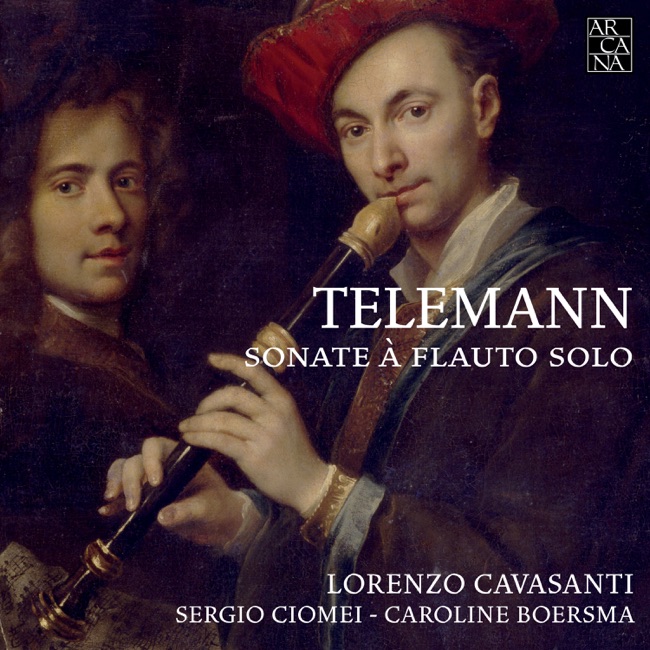
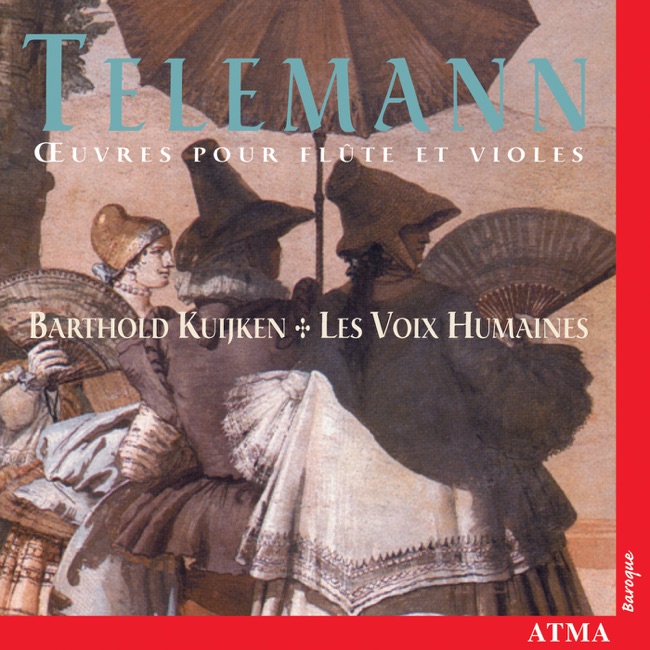
Works Info
Composer:Georg Philipp TelemannGenre:ChamberStyle:Chamber MusicCompose Date:before 1768Publication Date:1981Average_duration:9:22Movement_count:4Movement ....Georg Philipp Telemann's Sonata for flute & continuo in E minor, TWV 41:e11, is a Baroque-era composition that was composed in the early 18th century. The piece is believed to have been written around 1715-1720, during Telemann's tenure as Kapellmeister in Eisenach. The sonata is one of Telemann's most popular works for the flute, and it has been performed and recorded by numerous flutists over the years. The sonata is comprised of three movements: a slow opening Largo, a lively Allegro, and a final Allegro that is marked by its intricate counterpoint and virtuosic flute writing. The first movement is characterized by its mournful, introspective melody, which is played by the flute over a simple, chordal accompaniment provided by the continuo. The second movement is a lively dance, with a playful, syncopated rhythm that is typical of Telemann's style. The final movement is a tour-de-force for the flute, with rapid runs and arpeggios that showcase the instrument's agility and virtuosity. One of the most notable characteristics of the sonata is its use of the continuo, which provides a simple, harmonic foundation for the flute's melodies. The continuo part is typically played on a harpsichord or organ, and it consists of a bass line and chord symbols that indicate the harmonies to be played. This allows for a great deal of flexibility in performance, as the continuo player can improvise their part based on the chord symbols provided. Overall, Telemann's Sonata for flute & continuo in E minor, TWV 41:e11, is a beautiful and engaging work that showcases the flute's expressive capabilities and virtuosic potential. Its popularity among flutists and audiences alike is a testament to its enduring appeal and timeless beauty.More....
Works Music