Robert White
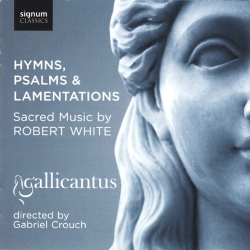
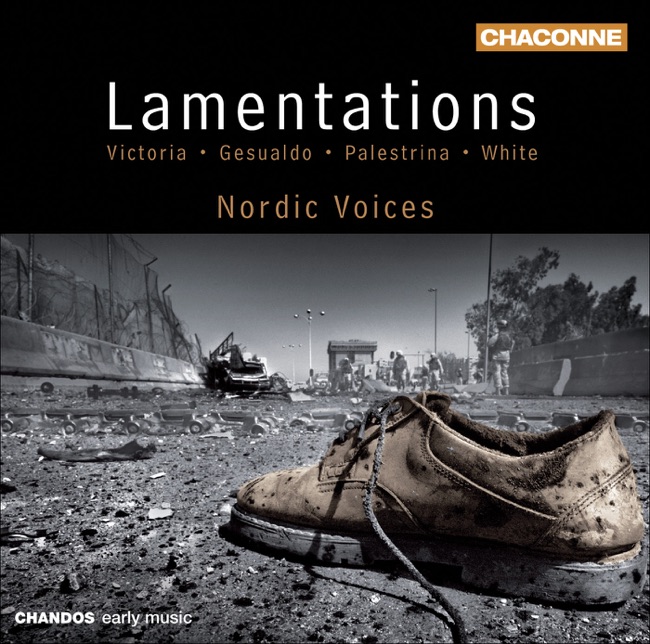
Lamentations of Jeremiah for 6 voices
Released Album
Recent Album
Featured Album
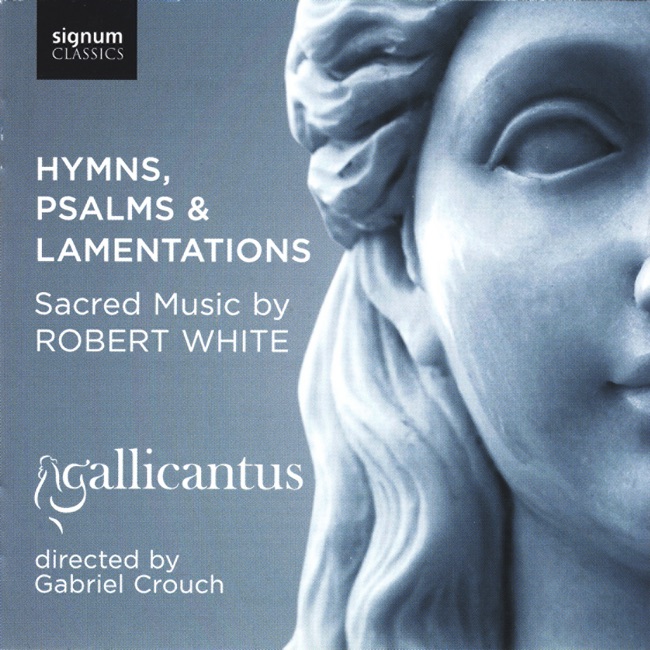
Works Info
Composer:Robert WhiteGenre:VocalStyle:LamentationAverage_duration:17:01The 'Lamentations of Jeremiah for 6 voices' is a choral work composed by Robert White, an English composer of the Renaissance period. The piece was composed in the late 16th century, around 1580, and was first performed in the Chapel Royal of Queen Elizabeth I. The work is divided into five movements, each of which is based on a different section of the biblical text of the Lamentations of Jeremiah. The text is a series of poems that mourn the destruction of Jerusalem and the exile of the Jewish people. The first movement, "Incipit Lamentatio," begins with a solo voice singing the opening words of the text, "How doth the city sit solitary." The other voices gradually join in, creating a mournful and somber atmosphere. The second movement, "Aleph," is a setting of the first chapter of the Lamentations, which describes the desolation of Jerusalem. The music is slow and mournful, with dissonant harmonies and frequent use of suspensions. The third movement, "Beth," is a setting of the second chapter of the Lamentations, which describes the destruction of the temple. The music is more complex than the previous movements, with intricate polyphony and frequent changes in texture. The fourth movement, "Ghimel," is a setting of the third chapter of the Lamentations, which expresses the author's despair and hopelessness. The music is slow and mournful, with long, sustained notes and frequent use of chromaticism. The final movement, "Heth," is a setting of the fifth chapter of the Lamentations, which expresses a plea for mercy and restoration. The music is more hopeful than the previous movements, with brighter harmonies and a more lively tempo. Overall, the 'Lamentations of Jeremiah for 6 voices' is a powerful and emotional work that captures the despair and grief of the biblical text. White's use of complex polyphony and dissonant harmonies creates a sense of tension and unease, while his use of suspensions and chromaticism adds to the mournful atmosphere. The work remains a popular and influential piece of Renaissance choral music to this day.More....
Works Music
Released Music
Featured Music