Orlande de Lassus
Missa Qual donna attende a gloriosa fama, H. vi/43
Released Album
Recent Album
Works Info
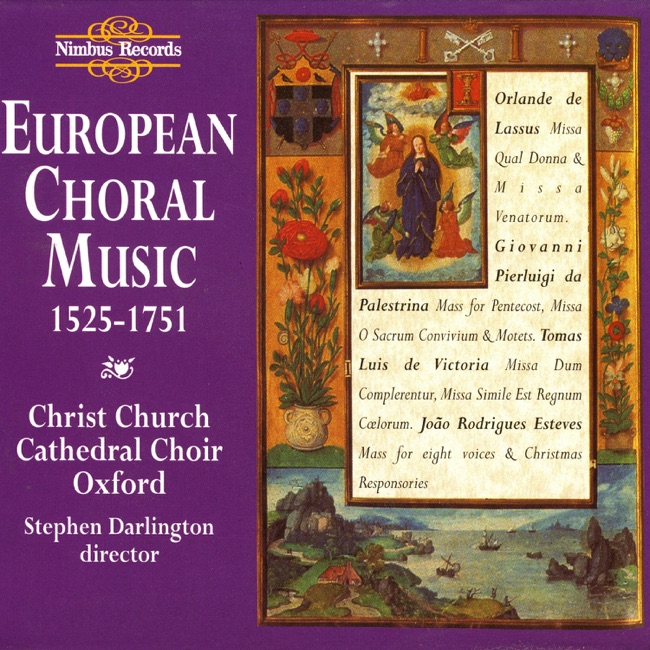
Composer:Orlande de LassusGenre:ChoralStyle:MassPublication Date:1589Average_duration:20:56Movement_count:6Movement ....Orlande de Lassus, also known as Roland de Lassus, was a prominent composer of the Renaissance period. He was born in Mons, Belgium in 1532 and spent most of his career in Munich, Germany. Lassus was known for his prolific output of sacred and secular music, and his works were highly regarded during his lifetime and beyond. One of Lassus' most famous works is the Missa Qual donna attende a gloriosa fama, H. vi/43. This mass was composed in the late 1560s or early 1570s and is based on a secular chanson by the Italian composer Cipriano de Rore. The premiere of the mass is not known, but it was likely performed in a church or chapel in Munich. The Missa Qual donna attende a gloriosa fama is a six-part mass, meaning that it is scored for six voices: two sopranos, alto, two tenors, and bass. The mass is divided into five movements: Kyrie, Gloria, Credo, Sanctus, and Agnus Dei. Each movement is based on the same chanson melody, which is heard in the tenor voice throughout the mass. One of the characteristics of Lassus' music is his use of chromaticism, which is the use of notes outside of the diatonic scale. This can be heard in the Missa Qual donna attende a gloriosa fama, particularly in the Kyrie and Credo movements. Lassus also uses imitation, where one voice imitates another, throughout the mass. The Missa Qual donna attende a gloriosa fama is a beautiful example of Lassus' skill as a composer. It is a complex and intricate work that showcases his mastery of polyphony and his ability to create a cohesive musical structure. The mass remains a beloved work of the Renaissance period and is still performed and recorded today.More....
Works Music