


Franz Liszt
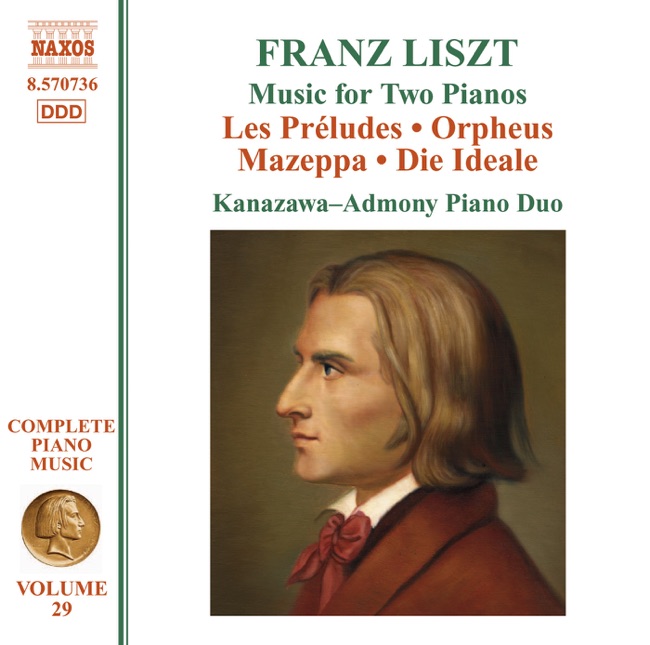
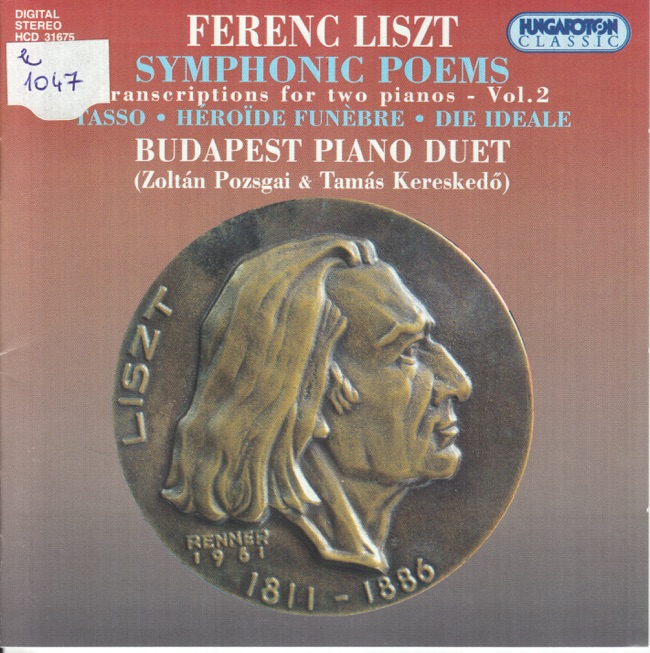
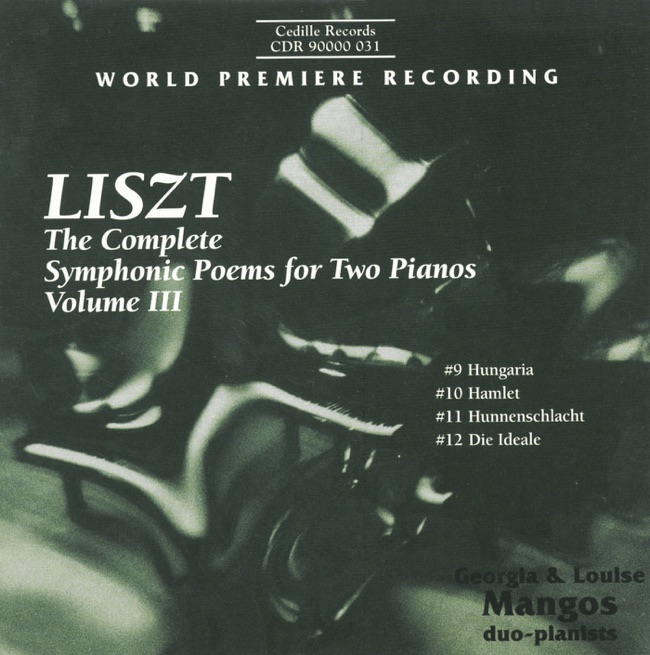
Die Ideale, symphonic poem for 2 pianos, S. 646
Released Album
Recent Album
Works Info
Composer:Franz LisztGenre:KeyboardStyle:KeyboardCompose Date:1857 - 1858Publication Date:1858Average_duration:26:01Franz Liszt composed "Die Ideale" in 1857-1858, and it premiered in Weimar on March 9, 1860. It is a symphonic poem for two pianos, and it is one of Liszt's most ambitious works for the instrument. The piece is divided into three movements, each of which represents a different ideal. The first movement, "Das Ideal," is a depiction of the ideal of beauty. It begins with a slow, lyrical melody that gradually builds in intensity and complexity. The second movement, "Das Ewig-Weibliche," represents the ideal of the eternal feminine. It is a more introspective and contemplative movement, with a hauntingly beautiful melody that is passed between the two pianos. The final movement, "Das Göttliche," represents the ideal of the divine. It is a grand and majestic movement, with powerful chords and sweeping melodies that build to a triumphant conclusion. One of the most striking characteristics of "Die Ideale" is its use of two pianos. Liszt was a virtuoso pianist himself, and he was always looking for new ways to push the boundaries of the instrument. By using two pianos, he was able to create a richer and more complex sound than would have been possible with a single piano. The two pianos are often used to play different parts of the same melody, creating a sense of depth and complexity that is unique to this piece. Another characteristic of "Die Ideale" is its use of programmatic music. Each movement is meant to represent a different ideal, and Liszt uses the music to evoke the emotions and feelings associated with each ideal. This was a common technique in Liszt's symphonic poems, and it helped to establish him as one of the leading composers of the Romantic era. Overall, "Die Ideale" is a powerful and ambitious work that showcases Liszt's virtuosity as a pianist and his skill as a composer. Its use of two pianos and programmatic music make it a unique and memorable piece that continues to be performed and admired today.More....
Works Music
Released Music
2
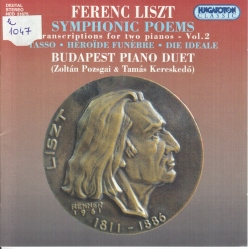
27:52
3
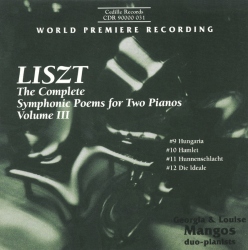
22:35