Carlo Gesualdo
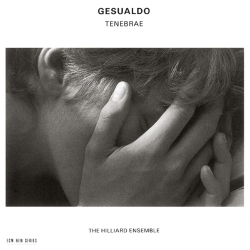
Miserere Mei, Deus, W. 7/92
Released Album
Recent Album
Featured Album
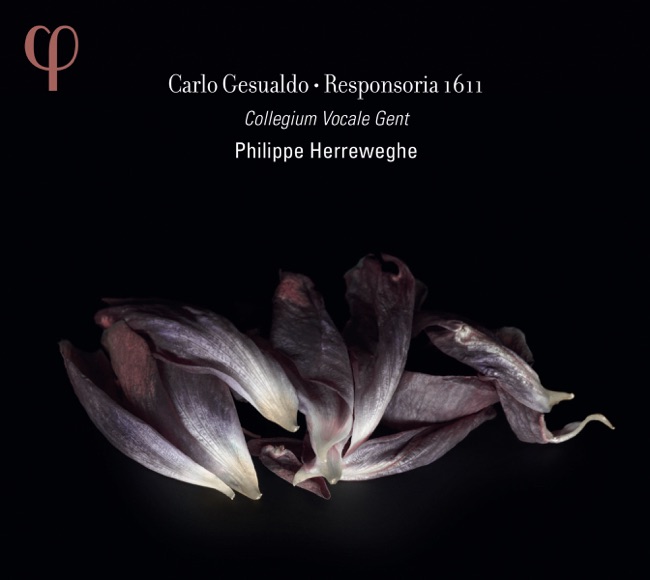

Works Info
Composer:Carlo GesualdoGenre:ChoralStyle:MotetCompose Date:1611Average_duration:6:56Carlo Gesualdo's 'Miserere Mei, Deus, W. 7/92' is a sacred choral work that was composed in the late 16th century. The piece is known for its intense emotional depth and complex harmonies, which were highly innovative for the time. It is believed to have been composed around 1611, towards the end of Gesualdo's life. The 'Miserere Mei, Deus' is a setting of Psalm 51, which is a penitential psalm that is traditionally associated with the season of Lent. The piece is divided into nine movements, each of which explores a different aspect of the psalm's text. The movements are arranged in a symmetrical structure, with the central movement serving as a focal point. The first movement sets the tone for the piece, with a mournful melody that is sung by the choir in unison. The second movement introduces the first of Gesualdo's trademark chromatic harmonies, which create a sense of tension and unease. The third movement features a solo soprano voice, which sings a plaintive melody that is accompanied by a simple organ accompaniment. The fourth movement is a complex fugue, which showcases Gesualdo's mastery of counterpoint. The fifth movement is a setting of the text "Tibi soli peccavi", which is sung by the choir in a hushed, reverent tone. The sixth movement is the central point of the piece, and features a soaring soprano solo that is accompanied by a richly harmonized choir. The seventh movement is a setting of the text "Asperges me", which is traditionally sung during the sprinkling of holy water at Mass. The eighth movement is a complex fugue that builds to a powerful climax, before resolving into a serene final movement. The final movement features a simple, unaccompanied melody that is sung by the choir in unison, bringing the piece to a peaceful conclusion. Overall, the 'Miserere Mei, Deus' is a highly emotional and deeply spiritual work that showcases Gesualdo's unique musical style. Its complex harmonies and innovative use of counterpoint make it a landmark work in the history of sacred music. The piece was first performed in the chapel of the Santa Casa in Naples, and has since become a staple of the choral repertoire.More....
Works Music
Released Music
Featured Music