Nikolai Rimsky-Korsakov
The Upas Tree (ii), Op. 49/1
Released Album
Recent Album
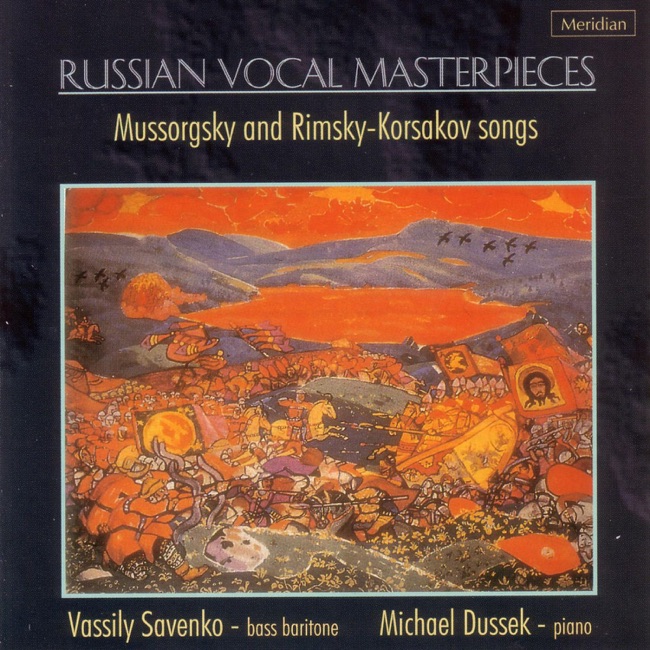
Featured Album
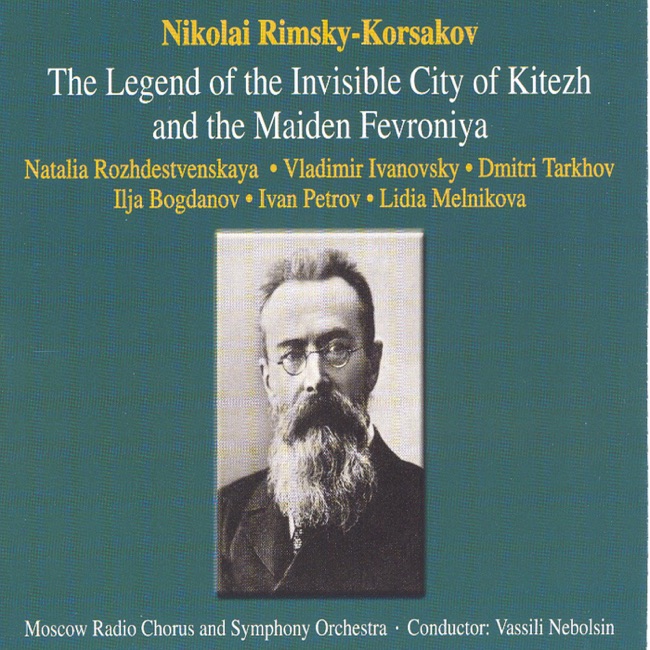
Works Info
Composer:Nikolai Rimsky-KorsakovGenre:VocalStyle:SongCompose Date:1906Publication Date:1966Average_duration:4:48Nikolai Rimsky-Korsakov composed "The Upas Tree (ii), Op. 49/1" in 1905. The piece premiered on December 3, 1905, in St. Petersburg, Russia. It is a symphonic poem that is part of a larger work called "The Golden Cockerel Suite." The piece is divided into three movements. The first movement, "The Poisoned Air," begins with a slow and ominous introduction that sets the tone for the rest of the piece. The music gradually builds in intensity, with the use of dissonant harmonies and chromaticism, to create a sense of unease and danger. The movement ends with a sudden and dramatic climax. The second movement, "The Dance of the Bumblebee," is a lively and playful scherzo. The music is characterized by its fast tempo, light texture, and use of staccato and pizzicato. The movement is named after the famous "Flight of the Bumblebee" from Rimsky-Korsakov's opera "The Tale of Tsar Saltan." The final movement, "The Poisoned Water," returns to the ominous and foreboding atmosphere of the first movement. The music is slow and mournful, with the use of dark and somber harmonies. The movement builds to a powerful climax before ending with a quiet and eerie coda. Overall, "The Upas Tree (ii), Op. 49/1" is a masterful example of Rimsky-Korsakov's skill in orchestration and his ability to create vivid musical imagery. The piece is inspired by the legend of the upas tree, a poisonous tree that was said to kill anyone who came into contact with it. Rimsky-Korsakov's music captures the sense of danger and mystery surrounding this legend, making it a haunting and unforgettable work.More....
Works Music