


Henry Purcell
In the black, dismal dungeon of despair, Z. 190
Released Album
Recent Album
Featured Album
Works Info
Composer:Henry PurcellGenre:VocalStyle:SongCompose Date:ca. 1687Average_duration:4:18Henry Purcell's "In the black, dismal dungeon of despair, Z. 190" is a powerful and haunting piece of music that was composed in the late 17th century. The piece was first performed in 1683 and has since become one of Purcell's most famous works. The composition is divided into three movements, each of which is characterized by its own unique style and mood. The first movement is slow and mournful, with a sense of despair and hopelessness that permeates throughout. The second movement is more lively and energetic, with a sense of urgency and desperation that builds to a climax. The final movement is slow and contemplative, with a sense of resignation and acceptance that brings the piece to a close. The lyrics of "In the black, dismal dungeon of despair" are taken from a poem by the English poet John Dryden. The poem tells the story of a man who is imprisoned in a dark and gloomy dungeon, where he is tormented by his own thoughts and fears. The music perfectly captures the mood of the poem, with its haunting melodies and somber harmonies. One of the most striking characteristics of Purcell's composition is its use of dissonance. The piece is filled with jarring chords and unexpected harmonies, which create a sense of unease and tension. This dissonance is particularly effective in the second movement, where it adds to the sense of urgency and desperation. Overall, "In the black, dismal dungeon of despair" is a powerful and moving piece of music that showcases Purcell's skill as a composer. Its haunting melodies, somber harmonies, and use of dissonance make it a timeless masterpiece that continues to captivate audiences to this day.More....
Works Music
Released Music
1

In the black, dismal dungeon of despair, line 190
In the black dismal dungeon of despair, Z. 190
4:33
2
4:31
3
4:9
6
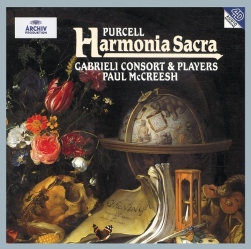
4:11
Featured Music
Main Perform Artists
Viola da Gamba
Theorbo
Counter Tenor Vocal
Harpsichord