Heitor Villa-Lobos
Amazonas, A. 118
Released Album
Recent Album

Featured Album

Works Info
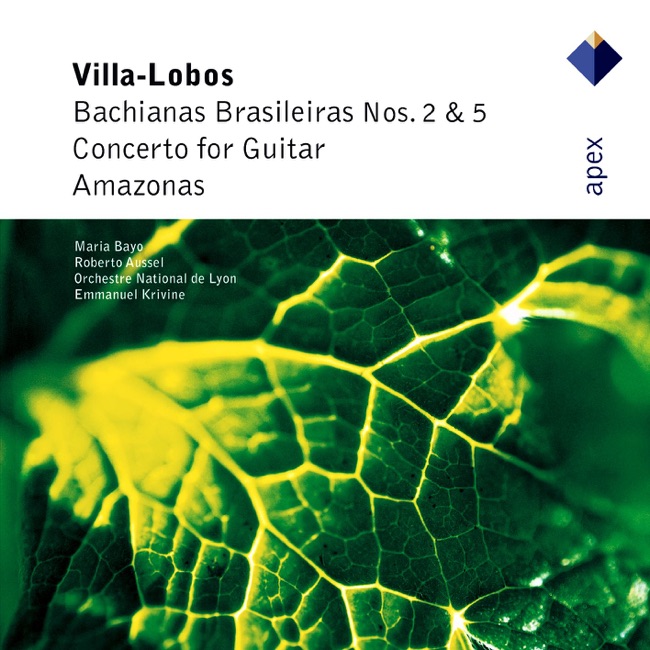
Composer:Heitor Villa-LobosGenre:OrchestralStyle:Tone PoemCompose Date:1917Average_duration:12:49Movement_count:16Movement ....Heitor Villa-Lobos' "Amazonas, A. 118" is a symphonic poem that was composed in 1917. It premiered on September 2, 1917, in Rio de Janeiro, Brazil, conducted by the composer himself. The piece is divided into three movements, each of which represents a different aspect of the Amazonian landscape and culture. The first movement, "The Jungle," is characterized by its dense and lush orchestration, which evokes the sounds and textures of the rainforest. The music is full of exotic percussion instruments, such as the cuíca and the reco-reco, and features a prominent solo for the oboe. The movement builds to a frenzied climax before subsiding into a quiet coda. The second movement, "Legend of the Caboclo," is a lyrical and nostalgic portrait of the indigenous people of the Amazon. The music is marked by its simple, folk-like melodies and gentle harmonies, which are played by the strings and woodwinds. The movement also features a solo for the cello, which represents the voice of the caboclo. The final movement, "Festival in the Jungle," is a lively and colorful celebration of the Amazonian culture. The music is marked by its energetic rhythms and bright orchestration, which includes brass fanfares, tambourines, and maracas. The movement features a prominent solo for the trumpet, which leads the festivities to a rousing conclusion. Overall, "Amazonas, A. 118" is a vibrant and evocative tribute to the natural beauty and cultural richness of the Amazon region. Villa-Lobos' use of exotic instruments and rhythms, combined with his lush and colorful orchestration, creates a vivid and immersive musical landscape that transports the listener to the heart of the rainforest.More....
Works Music
Released Music

Featured Music