Bohuslav Martinu
Serenade No. 2, H. 216
Released Album
Recent Album


Works Info
Composer:Bohuslav MartinuGenre:ChamberStyle:SerenadeCompose Date:Mar 1932Publication Date:1949First Performance:Oct 16, 1947Average_duration:6:59Movement_count:3Movement ....Bohuslav Martinu's Serenade No. 2, H. 216, is a chamber work for ten instruments, composed in 1951. The piece was premiered on January 22, 1952, in Basel, Switzerland, by the Basel Chamber Orchestra, conducted by Paul Sacher. The Serenade No. 2 is divided into five movements, each with its own unique character and style. The first movement, marked Allegro, is a lively and energetic piece that features a playful dialogue between the instruments. The second movement, marked Andante moderato, is a more introspective and melancholic piece, with a haunting melody played by the oboe and clarinet. The third movement, marked Poco allegro, is a light and playful scherzo, with a catchy and rhythmic theme that is passed around the different instruments. The fourth movement, marked Lento, is the emotional heart of the piece, with a beautiful and lyrical melody played by the strings. The movement builds to a powerful climax before fading away into a quiet and introspective coda. The final movement, marked Allegro, is a lively and energetic piece that brings the Serenade to a joyful and exuberant conclusion. The Serenade No. 2 is characterized by Martinu's distinctive style, which blends elements of Czech folk music with modernist techniques. The piece is full of rhythmic vitality, colorful harmonies, and inventive textures, and showcases Martinu's skill at writing for small ensembles. The Serenade No. 2 is a testament to Martinu's mastery of chamber music and remains a beloved work in the repertoire.More....
Works Music
Released Music


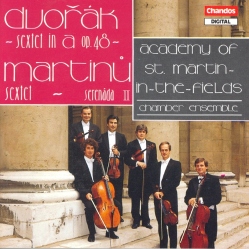
8
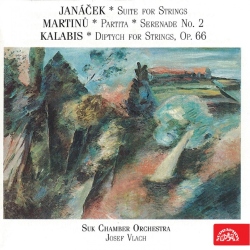
7:31