


Francisco Correa de Arrauxo
Tiento de medio registro de baxón de duodecimo tono
Released Album
Recent Album
Works Info
Composer:Francisco Correa de ArrauxoGenre:KeyboardAverage_duration:4:11Francisco Correa de Arrauxo was a Spanish composer and organist who lived during the late Renaissance period. He is known for his keyboard music, particularly his tientos, which were a type of instrumental composition for the organ. One of his most famous tientos is the "Tiento de medio registro de baxón de duodecimo tono," which was composed in the early 17th century. The piece is written for the organ and is in the key of D minor. The "Tiento de medio registro de baxón de duodecimo tono" is divided into three movements. The first movement is marked "Allegro," and it features a lively and energetic melody that is played in the right hand. The left hand provides a steady bass line that supports the melody. The second movement is marked "Adagio," and it is a slower and more contemplative section of the piece. The melody is played in the left hand, while the right hand provides a simple accompaniment. The final movement is marked "Allegro," and it returns to the lively and energetic style of the first movement. The melody is played in the right hand, while the left hand provides a more complex bass line. One of the characteristics of the "Tiento de medio registro de baxón de duodecimo tono" is its use of counterpoint. Counterpoint is a technique where two or more melodies are played simultaneously, creating a complex and harmonious sound. Correa de Arrauxo was known for his skill in counterpoint, and this piece is a great example of his mastery of the technique. Another characteristic of the piece is its use of ornamentation. Ornamentation is the addition of decorative notes to a melody, and it was a common technique in Renaissance music. Correa de Arrauxo uses ornamentation to add interest and complexity to the melody, making the piece more engaging for the listener. The "Tiento de medio registro de baxón de duodecimo tono" premiered in the early 17th century, and it has since become a popular piece in the organ repertoire. Its lively melodies, complex harmonies, and skillful use of counterpoint and ornamentation make it a challenging and rewarding piece for organists to play.More....
Works Music
Released Music
1
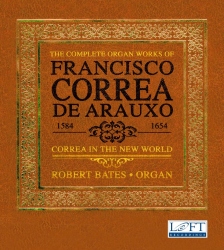
Tiento de medio registri de baxon de duodecimo tono
Tiento de medio registro de baxon de duodécimo tono (XLIX)
4:33
2
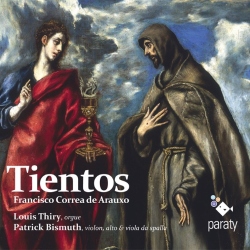
Tiento de medio registri de baxon de duodecimo tono
Tiento de medio registro de baxon de duodecimo tono
4:11
3
4:42
4
4:42