Franz Liszt
Marche funèbre de Dom Sebastian (after Donizetti), S. 402
Released Album
Recent Album


Works Info
Composer:Franz LisztGenre:KeyboardStyle:MarchCompose Date:1844Publication Date:1844Average_duration:8:49Franz Liszt's 'Marche funèbre de Dom Sebastian (after Donizetti)', S. 402, is a composition for piano solo. It was composed in 1860 and premiered in the same year in Weimar, Germany. The piece is based on the funeral march from Gaetano Donizetti's opera 'Dom Sébastien, roi de Portugal'. The composition is divided into three movements. The first movement is marked 'Lento', and it begins with a solemn and mournful melody played in the bass register of the piano. The melody is then repeated in the treble register, accompanied by a simple chord progression. The movement gradually builds in intensity, with Liszt adding more complex harmonies and textures to the piece. The movement ends with a return to the original mournful melody. The second movement is marked 'Allegro vivace', and it is a stark contrast to the first movement. The tempo is much faster, and the mood is more lively and energetic. The movement features a virtuosic piano part, with Liszt showcasing his technical prowess with fast runs and intricate passages. The movement ends with a dramatic flourish. The third movement is marked 'Lento', and it returns to the mournful mood of the first movement. Liszt uses the same melody from the first movement, but he adds more complex harmonies and textures to create a more intricate and emotional piece. The movement ends with a quiet and somber coda. Overall, 'Marche funèbre de Dom Sebastian' is a powerful and emotional composition that showcases Liszt's skill as a composer and pianist. The piece is notable for its use of complex harmonies and textures, as well as its dramatic contrasts between the mournful and lively movements.More....
Works Music
Released Music
1

Marche funèbre de Dom Sebastian (after Donizetti), p. 402
Marche funèbre de Dom Sébastien de Donizetti S402
8:33
2
Marche funèbre de Dom Sebastian (after Donizetti), p. 402
Marche funèbre de Dom Sébastien de G. Donizetti S. 402
8:31
3
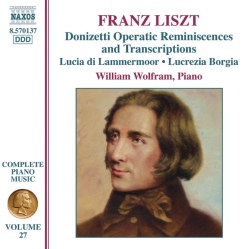
9:34