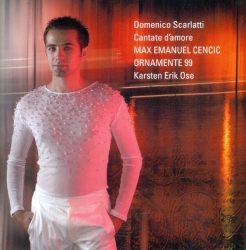
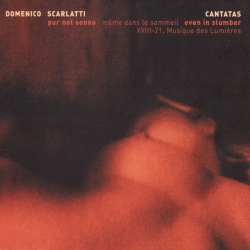
Domenico Scarlatti
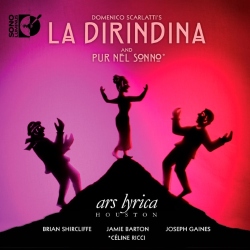
Pur nel sonno almen tal'ora
Released Album
Recent Album


Works Info
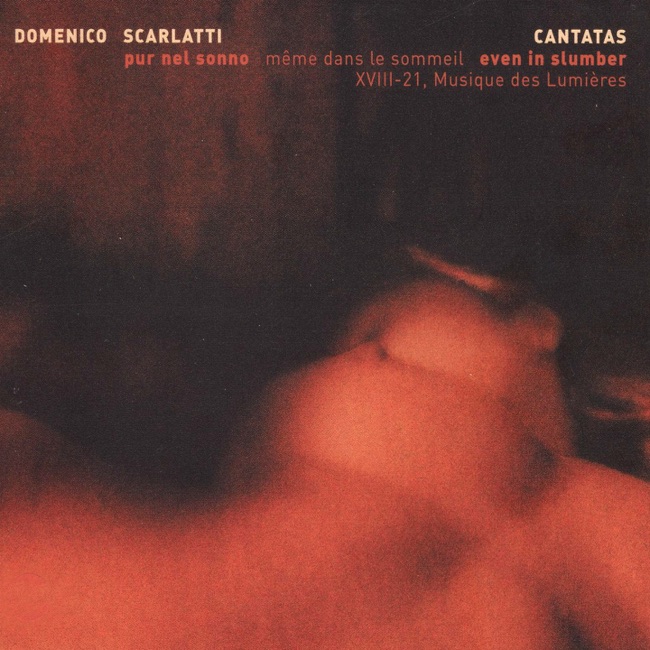
Composer:Domenico ScarlattiGenre:ChoralStyle:CantataAverage_duration:22:00Movement_count:5Movement ...."Pur nel sonno almen tal'ora" is a vocal work composed by Domenico Scarlatti, an Italian composer of the Baroque era. The piece was likely composed in the early 1700s, although the exact date is unknown. It was first performed in Rome, Italy, and has since become a popular piece in the vocal repertoire. The work is a solo cantata, which is a type of vocal composition that features a single singer accompanied by a small instrumental ensemble. "Pur nel sonno almen tal'ora" is written for a soprano voice and is accompanied by a basso continuo, which typically includes a harpsichord and a cello. The cantata is divided into three movements. The first movement is marked "Largo" and is in the key of A minor. It begins with a slow, mournful melody in the soprano voice, accompanied by a simple bass line. The melody is characterized by long, flowing phrases and expressive ornamentation. The text of the first movement describes the singer's longing for sleep and the peace it brings. The second movement is marked "Allegro" and is in the key of F major. It is a lively, dance-like movement that contrasts with the somber mood of the first movement. The soprano voice sings a playful melody that is accompanied by a more complex bass line. The text of the second movement describes the singer's dreams of love and happiness. The final movement is marked "Largo" and is in the key of A minor. It returns to the slow, mournful mood of the first movement. The soprano voice sings a melody that is similar to the opening of the cantata, but with some variations and embellishments. The text of the final movement describes the singer's despair at being unable to find rest and peace. Overall, "Pur nel sonno almen tal'ora" is a beautiful example of Scarlatti's vocal writing. The piece showcases his ability to create expressive melodies and use ornamentation to convey emotion. The contrast between the first and second movements adds interest and variety to the work, while the final movement brings the piece to a poignant conclusion.More....
Works Music
Released Music