John Taverner
Christe Jesu, pastor bone
Released Album
Recent Album
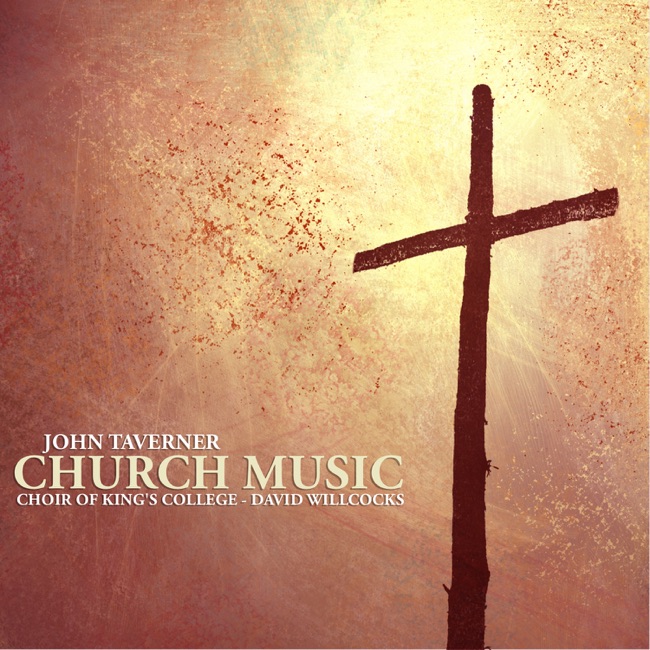
Featured Album
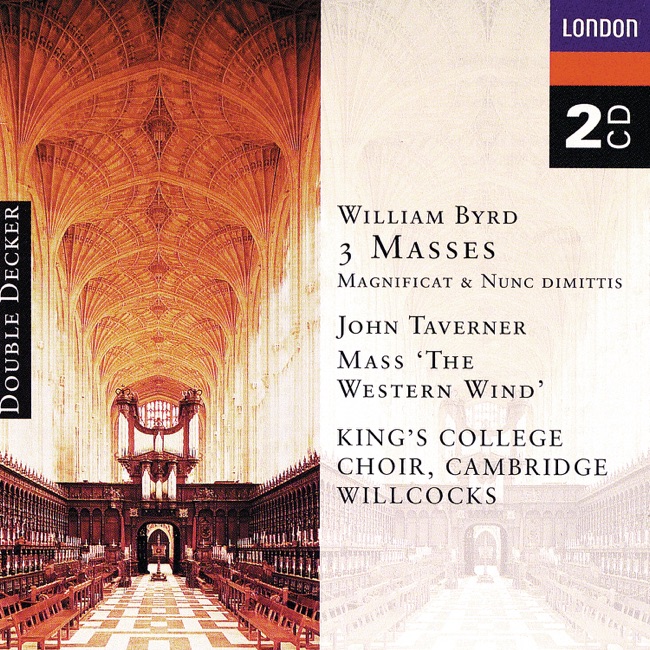
Works Info
Composer:John TavernerGenre:ChoralStyle:MotetCompose Date:1526Publication Date:1990Average_duration:3:23John Taverner was a prominent English composer of the Renaissance period, known for his sacred choral music. One of his most famous works is the motet "Christe Jesu, pastor bone," which was composed in the early 16th century. The exact date of composition is unknown, but it is believed to have been written during Taverner's tenure as the choirmaster at Cardinal College in Oxford, which lasted from 1526 to 1530. The motet was likely written for use in the college chapel, where Taverner would have directed the choir. "Christe Jesu, pastor bone" is a six-part motet, meaning it is written for six voices. The piece is divided into three movements, each with its own distinct character and musical style. The first movement is a solemn and introspective setting of the text "Christe Jesu, pastor bone," which translates to "Good Shepherd, Christ Jesus." The music is characterized by long, flowing lines and rich harmonies, creating a sense of reverence and awe. The second movement is a lively and joyful setting of the text "Qui lux es et dies," which translates to "You who are light and day." The music is marked by quick rhythms and intricate counterpoint, reflecting the exuberance of the text. The final movement returns to the solemn mood of the first, with a setting of the text "Dum complerentur dies Pentecostes," which translates to "When the days of Pentecost were fulfilled." The music is marked by long, sustained chords and a sense of quiet contemplation. Overall, "Christe Jesu, pastor bone" is a masterful example of Renaissance choral music, showcasing Taverner's skill in creating complex and expressive polyphony. The piece remains a beloved part of the choral repertoire to this day.More....