Béla Bartók
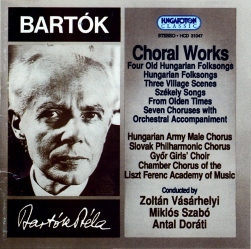
From Olden Times, Sz. 104
Released Album
Recent Album
-
-
-
-
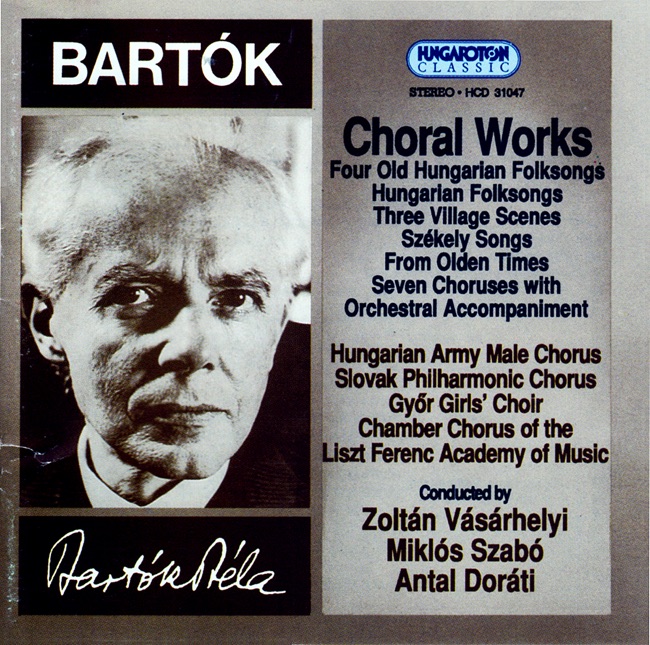
 Magyar Állami FérfikarNovember 30, 1958
Featured Album
Works Info
Composer:Béla BartókGenre:ChoralStyle:ChoralCompose Date:1935Average_duration:10:26Movement_count:3Movement ...."From Olden Times, Sz. 104" is a composition for orchestra by Hungarian composer Béla Bartók. It was composed in 1935 and premiered on March 8, 1936, in Budapest, Hungary. The piece consists of four movements and has a total duration of approximately 20 minutes. The first movement, "Lamento," is a slow and mournful piece that features a solo violin and a solo viola. The music is characterized by its use of dissonant harmonies and angular melodies, which create a sense of unease and tension. The movement is structured in a rondo form, with the main theme returning several times throughout the piece. The second movement, "Scherzo," is a lively and energetic piece that features a fast and rhythmic ostinato in the strings. The music is characterized by its use of irregular meters and syncopated rhythms, which create a sense of excitement and unpredictability. The movement is structured in a binary form, with two contrasting sections that alternate throughout the piece. The third movement, "Dance," is a fast and lively piece that features a folk-like melody in the woodwinds. The music is characterized by its use of asymmetrical rhythms and irregular phrasing, which create a sense of spontaneity and improvisation. The movement is structured in a ternary form, with a contrasting middle section that features a slower and more lyrical melody. The fourth and final movement, "Finale," is a fast and energetic piece that features a driving rhythm in the percussion. The music is characterized by its use of complex harmonies and polyrhythms, which create a sense of intensity and urgency. The movement is structured in a sonata form, with two contrasting themes that are developed and transformed throughout the piece. Overall, "From Olden Times, Sz. 104" is a complex and challenging work that showcases Bartók's unique style and innovative approach to orchestration. The piece is characterized by its use of folk-like melodies, irregular rhythms, and dissonant harmonies, which create a sense of tension and unpredictability. Despite its challenging nature, the piece has become a staple of the orchestral repertoire and is widely regarded as one of Bartók's most important works.More....
Works Music
Released Music
Featured Music