Franz Joseph Haydn
Despair, H. 26a/28
Released Album
Recent Album

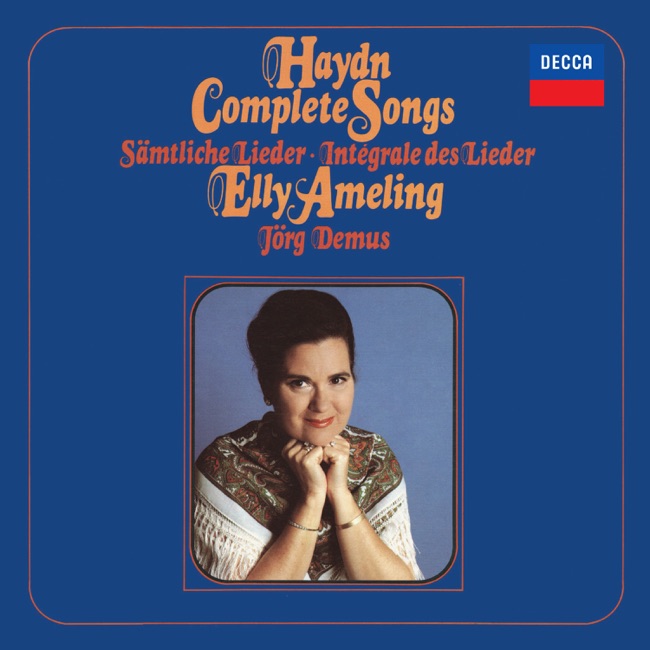
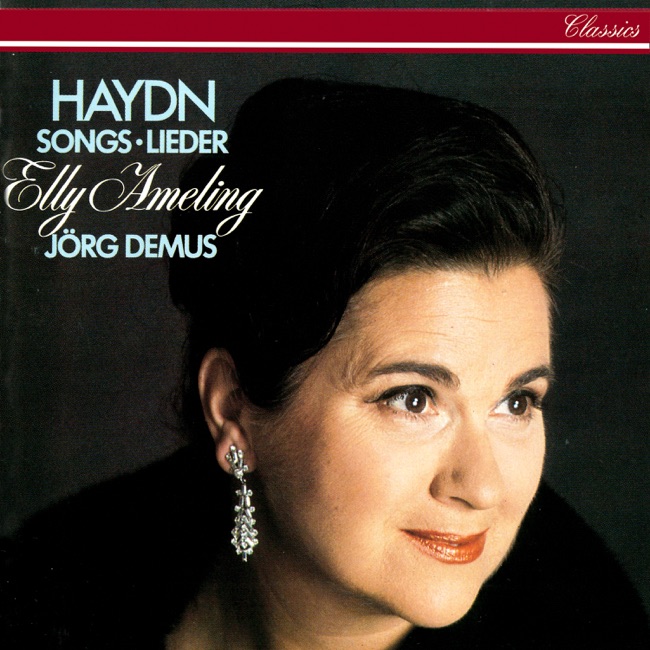
Works Info
Composer:Franz Joseph HaydnGenre:VocalStyle:SongCompose Date:before 1794Average_duration:4:07Despair, H. 26a/28 is a solo cantata composed by Franz Joseph Haydn in 1765. The piece was premiered in the same year in Vienna, Austria. The cantata consists of three movements and is written for a solo soprano accompanied by a small orchestra. The first movement, marked "Largo," sets the tone for the entire piece with its mournful and melancholic melody. The soprano sings of her despair and longing for death, accompanied by a simple and sparse orchestration. The movement is characterized by its slow tempo, minor key, and use of chromaticism to convey the sense of despair. The second movement, marked "Allegro," is a contrast to the first movement with its faster tempo and more lively melody. The soprano sings of her hope for salvation and redemption, accompanied by a more complex orchestration that includes a solo violin and a continuo. The movement is characterized by its major key and use of ornamentation to convey the sense of hope. The final movement, marked "Adagio," returns to the mournful and melancholic tone of the first movement. The soprano sings of her acceptance of her fate and her willingness to die, accompanied by a simple and sparse orchestration similar to the first movement. The movement is characterized by its slow tempo, minor key, and use of chromaticism to convey the sense of resignation. Overall, Despair, H. 26a/28 is a powerful and emotional work that showcases Haydn's ability to convey complex emotions through music. The piece is notable for its use of contrasting movements to convey the soprano's journey from despair to hope and ultimately to acceptance of her fate.More....
Works Music
Released Music