Hubert Parry
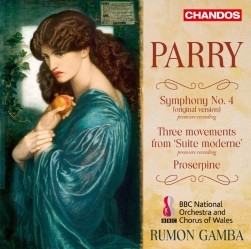
Symphony No. 4 in E minor
Released Album
Recent Album
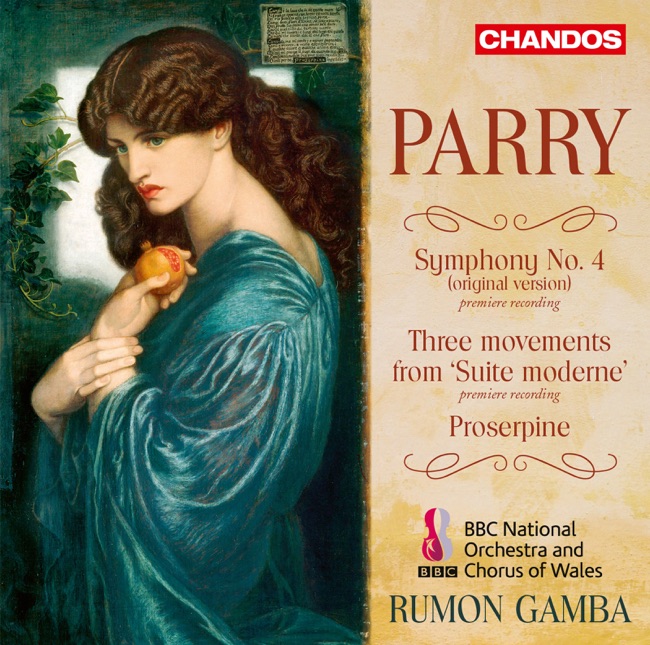
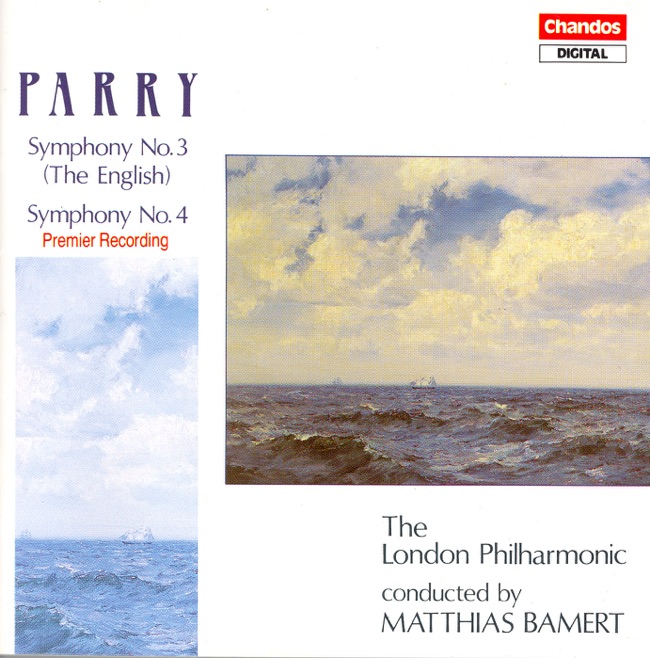
Works Info
Composer:Hubert ParryGenre:SymphonyStyle:SymphonyCompose Date:1888 - 1889Average_duration:41:42Movement_count:4Movement ....Symphony No. 4 in E minor is a four-movement symphony composed by Hubert Parry. The symphony was composed in 1889 and premiered on March 10, 1890, at the Crystal Palace in London. The symphony is considered one of Parry's most significant works and is often regarded as a masterpiece of British music. The first movement, marked Allegro, begins with a slow introduction that sets the mood for the entire symphony. The main theme is introduced by the strings and is characterized by its melancholic and introspective nature. The movement is structured in sonata form and features a development section that explores the themes introduced in the exposition. The second movement, marked Andante sostenuto, is a slow and lyrical movement that features a beautiful melody played by the strings. The movement is characterized by its rich harmonies and expressive phrasing. The middle section of the movement features a more agitated theme that provides a contrast to the lyrical opening. The third movement, marked Allegro molto, is a lively and energetic scherzo that features a playful and rhythmic theme played by the woodwinds. The trio section of the movement features a more lyrical and expressive theme played by the strings. The movement is characterized by its rhythmic vitality and lively orchestration. The final movement, marked Allegro ma non troppo, is a triumphant and majestic finale that features a grand and heroic theme played by the brass. The movement is structured in sonata form and features a development section that explores the themes introduced in the exposition. The movement builds to a powerful climax before ending with a triumphant coda. Overall, Symphony No. 4 in E minor is a powerful and expressive work that showcases Parry's mastery of orchestration and his ability to create memorable melodies. The symphony is characterized by its rich harmonies, expressive phrasing, and rhythmic vitality. It remains one of Parry's most significant works and a testament to his contribution to British music.More....