


Francesco Geminiani
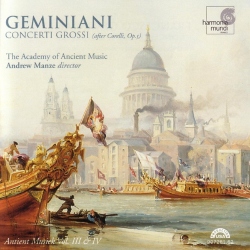
Concerto Grosso No. 7 in D minor (after Corelli 5/7)
Released Album
Recent Album
Featured Album
Works Info
Composer:Francesco GeminianiGenre:ConcertoStyle:Concerto GrossoCompose Date:1729Publication Date:1729Average_duration:10:06Movement_count:4Movement ....Francesco Geminiani's Concerto Grosso No. 7 in D minor (after Corelli 5/7) is a Baroque masterpiece that was composed in the early 18th century. The piece is a tribute to the great Italian composer Arcangelo Corelli, whose works had a significant influence on Geminiani's music. The concerto was first premiered in London in 1732 and has since become one of Geminiani's most popular works. The concerto is divided into four movements, each with its own unique character and style. The first movement, marked Largo, is a slow and somber introduction that sets the tone for the rest of the piece. The second movement, marked Allegro, is a lively and energetic dance that showcases the virtuosity of the soloists. The third movement, marked Largo, is a beautiful and expressive adagio that features a lyrical melody played by the soloists. The final movement, marked Allegro, is a fast and lively dance that brings the concerto to a thrilling conclusion. One of the most notable characteristics of Geminiani's Concerto Grosso No. 7 is its use of the concerto grosso form. This form features a small group of soloists (known as the concertino) who play in contrast to the larger ensemble (known as the ripieno). The interplay between the soloists and the ensemble creates a rich and dynamic texture that is a hallmark of Baroque music. Another characteristic of the concerto is its use of ornamentation. Geminiani was known for his skillful use of ornamentation, which adds a sense of improvisation and spontaneity to the music. The soloists in the concerto are given ample opportunity to showcase their virtuosity through the use of trills, runs, and other ornamental flourishes. Overall, Geminiani's Concerto Grosso No. 7 in D minor (after Corelli 5/7) is a stunning example of Baroque music. Its use of the concerto grosso form, ornamentation, and expressive melodies make it a timeless masterpiece that continues to captivate audiences today.More....
Works Music
Released Music
Featured Music
4
2:2