Leo Sowerby
Suite for Organ
Released Album
Recent Album
Works Info
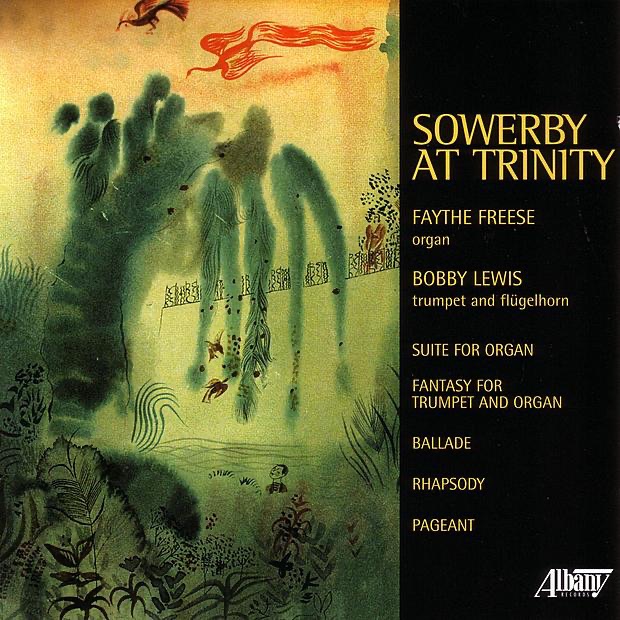
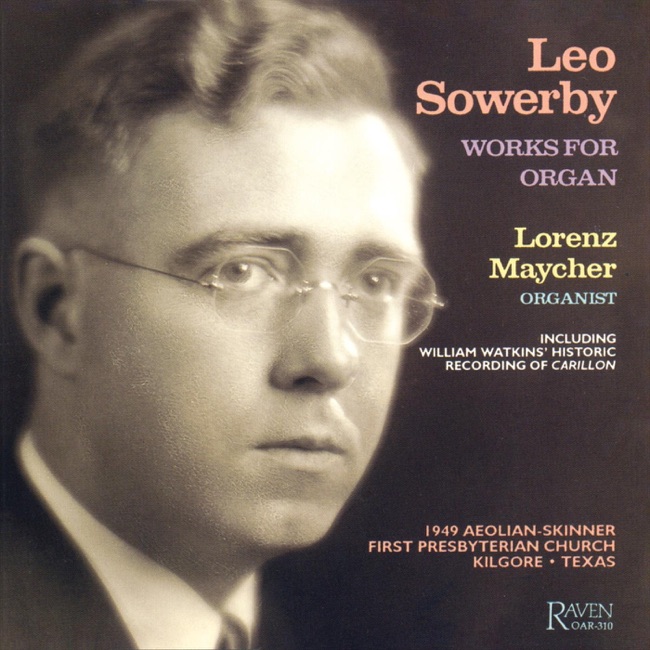
Composer:Leo SowerbyGenre:KeyboardStyle:SuiteAverage_duration:31:27Leo Sowerby's 'Suite for Organ' is a four-movement work that was composed in 1932. The piece was premiered on November 20, 1932, at St. James Episcopal Church in Chicago, where Sowerby was the organist and choirmaster. The first movement, titled "Prelude," is marked by a slow and stately tempo. It begins with a simple melody played on the pedals, which is then taken up by the manuals. The music gradually builds in intensity, with the use of full organ and a more complex harmonic language. The movement ends with a return to the opening material, played softly and with a sense of resolution. The second movement, "Air," is a slow and lyrical piece that features a flowing melody played on the manuals. The accompaniment is sparse, with the use of sustained chords and occasional flourishes. The movement has a gentle and introspective quality, and is marked by a sense of calm and serenity. The third movement, "Toccata," is a fast and virtuosic piece that showcases the full range of the organ. The music is marked by rapid arpeggios, cascading scales, and intricate counterpoint. The movement has a sense of energy and excitement, and is characterized by its rhythmic drive and technical demands. The final movement, "Fugue," is a complex and contrapuntal piece that features a theme introduced in the pedals. The music builds in intensity as the theme is passed between the manuals, with the use of various contrapuntal devices such as inversion and augmentation. The movement ends with a triumphant restatement of the theme, played in full organ and with a sense of grandeur. Overall, Sowerby's 'Suite for Organ' is a masterful work that showcases the versatility and expressive range of the organ. The piece is marked by a sense of grandeur, technical virtuosity, and a rich harmonic language that reflects Sowerby's unique style.More....