Juan del Encina
Cucú, cucú, cucúcu, cancionero
Released Album
Recent Album
Featured Album
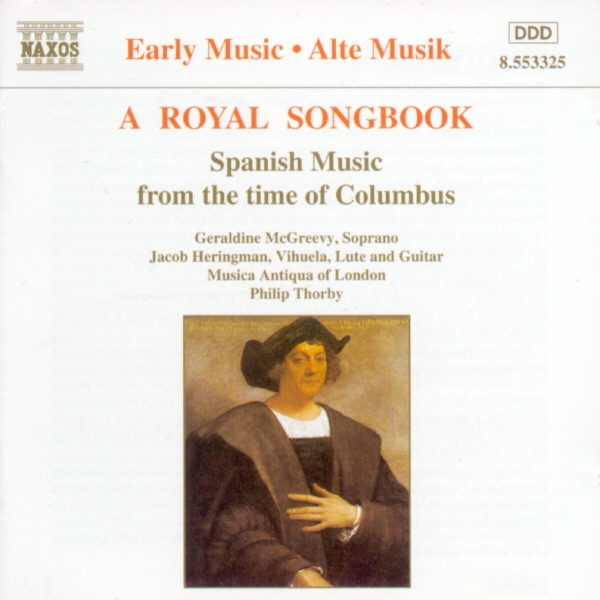
Works Info
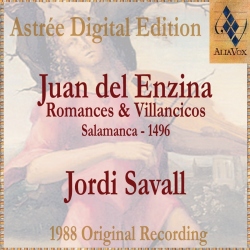
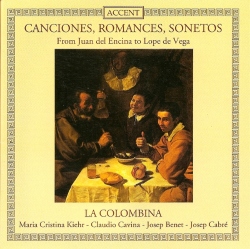
Composer:Juan del EncinaGenre:VocalStyle:VillancicoAverage_duration:1:08Juan del Encina was a Spanish composer, poet, and playwright who lived during the Renaissance period. He is considered one of the most important figures in the development of Spanish theater and music. One of his most famous works is the song cycle "Cucú, cucú, cucúcu, cancionero," which was composed in the early 16th century. The "Cucú, cucú, cucúcu, cancionero" is a collection of songs that were originally written for voice and vihuela, a type of guitar popular in Renaissance Spain. The songs are arranged in a cycle, with each one following the other in a specific order. The cycle is divided into three movements, each with its own distinct characteristics. The first movement of the cycle is characterized by its lively and upbeat tempo. The songs in this movement are often sung in a major key and feature playful lyrics that are meant to be sung in a light-hearted manner. The first song in the cycle, "Cucú, cucú, cucúcu," is a perfect example of this style. It is a simple, catchy tune that is easy to sing along to. The second movement of the cycle is more introspective and melancholic. The songs in this movement are often sung in a minor key and feature more complex harmonies and melodies. The lyrics are often more serious and contemplative, dealing with themes of love, loss, and longing. The second song in the cycle, "Triste España sin ventura," is a good example of this style. It is a hauntingly beautiful song that speaks to the sadness and despair of the Spanish people during the Renaissance. The third and final movement of the cycle is characterized by its celebratory tone. The songs in this movement are often sung in a major key and feature joyful lyrics that are meant to be sung in a festive manner. The third song in the cycle, "Pase el agoa, ma Julieta," is a perfect example of this style. It is a lively, upbeat tune that celebrates the joys of love and life. The "Cucú, cucú, cucúcu, cancionero" was first performed in the early 16th century and quickly became popular throughout Spain. It is still performed today by musicians and singers who appreciate its beauty and historical significance. The cycle is a testament to the talent and creativity of Juan del Encina, who remains one of the most important figures in the history of Spanish music and theater.More....
Works Music
Released Music
3
1:54
Featured Music