Tomaso Albinoni
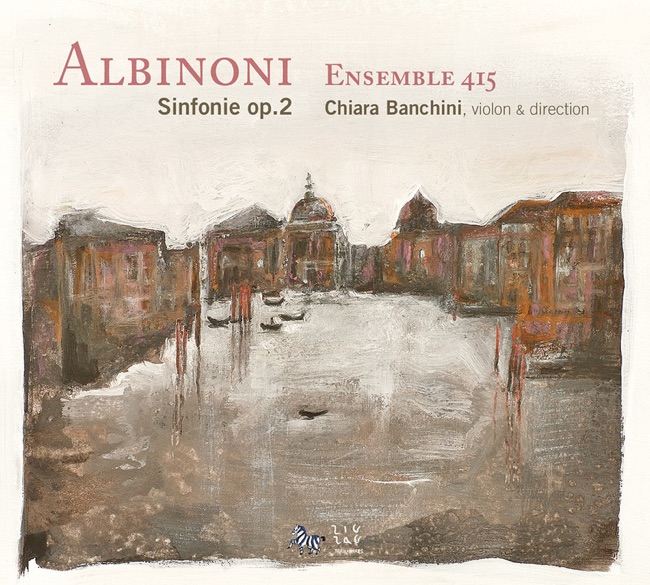
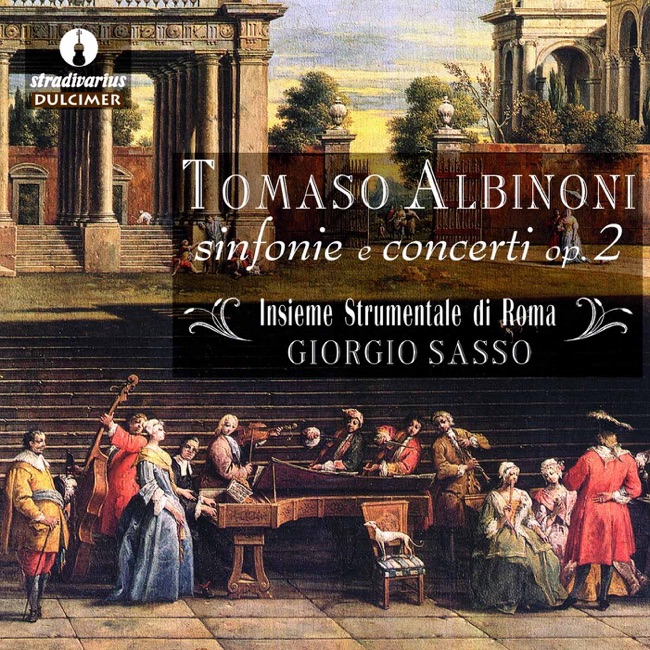
Sonata (Sinfonie) à cinque No. 1 in G major, Op. 2/1
Released Album
Recent Album

Works Info
Composer:Tomaso AlbinoniGenre:ChamberStyle:SonataCompose Date:1700Publication Date:1700Average_duration:8:06Movement_count:4Movement ....Tomaso Albinoni's 'Sonata (Sinfonie) à cinque No. 1 in G major, Op. 2/1' is a Baroque instrumental work composed for a five-part ensemble. It was likely composed in the early 1700s, although the exact date is unknown. The piece is believed to have premiered in Venice, Italy, where Albinoni spent most of his career. The 'Sonata à cinque No. 1' is comprised of four movements: an opening Allegro, a slow Adagio, a lively Allegro, and a final Allegro. The first movement features a lively, dance-like melody that is passed between the different instruments in the ensemble. The second movement is more contemplative, with a slower tempo and a more lyrical melody. The third movement returns to the lively, dance-like character of the first movement, with a faster tempo and a more complex interplay between the different instruments. The final movement is a brisk, energetic conclusion to the piece, with a driving rhythm and a memorable melody. One of the most notable characteristics of the 'Sonata à cinque No. 1' is its use of counterpoint, a hallmark of Baroque music. Albinoni weaves together multiple melodic lines, each with its own distinct character and rhythm, to create a rich and complex texture. The piece also features a variety of instrumental techniques, including trills, arpeggios, and rapid runs, which showcase the virtuosity of the performers. Overall, the 'Sonata à cinque No. 1' is a lively and engaging work that exemplifies the best of Baroque instrumental music. Its memorable melodies, intricate counterpoint, and virtuosic instrumental writing make it a favorite among performers and audiences alike.More....
Works Music
Released Music