Jean Mouton
Dulces exuviae, dum fata
Released Album
Recent Album

Featured Album

Works Info
Composer:Jean MoutonGenre:ChoralStyle:ChoralAverage_duration:3:19"Dulces exuviae, dum fata" is a choral work composed by Jean Mouton, a French composer of the Renaissance period. The piece was composed in the early 16th century, and its premiere date is unknown. The work is a motet, a type of choral composition that was popular during the Renaissance. It is written for four voices, with the text taken from Virgil's Aeneid. The title "Dulces exuviae, dum fata" translates to "Sweet relics, while fate permits," and the text speaks of the love between Aeneas and Dido, the queen of Carthage. The piece is divided into three movements, each with its own distinct character. The first movement is slow and mournful, with the voices singing in a homophonic texture. The second movement is faster and more lively, with the voices weaving in and out of each other in a polyphonic texture. The third movement returns to the slow, mournful character of the first, with the voices singing in a homophonic texture once again. One of the characteristics of Mouton's style is his use of imitation, where one voice will sing a melody and then another voice will repeat it, creating a sense of unity and coherence in the composition. He also uses dissonance and chromaticism to create tension and drama in the music. Overall, "Dulces exuviae, dum fata" is a beautiful and poignant work that captures the emotional depth of Virgil's text. Mouton's skillful use of harmony, texture, and imitation make it a masterpiece of Renaissance choral music.More....
Works Music
Released Music
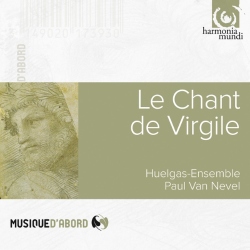
Featured Music