Adrian Willaert
Virgo gloriosa Christi
Released Album
Recent Album
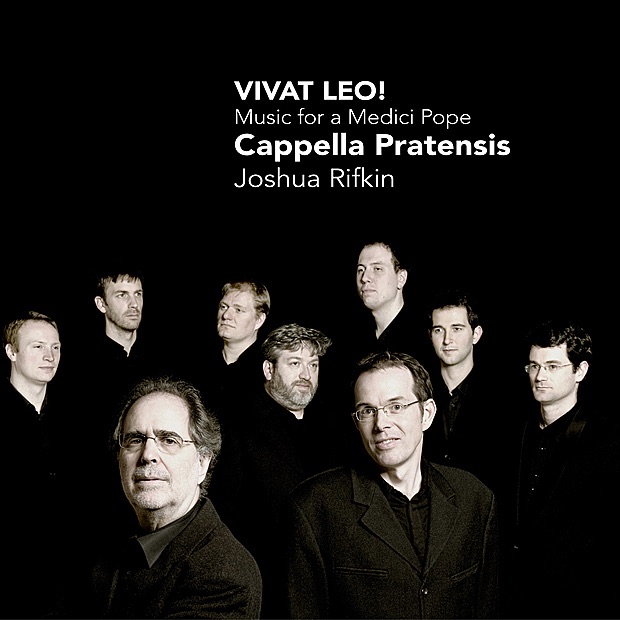
Featured Album
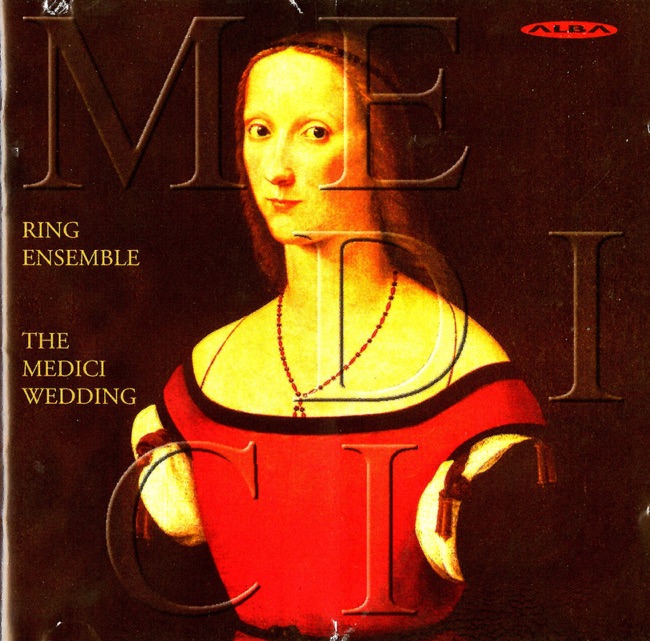
Works Info
Composer:Adrian WillaertGenre:ChoralStyle:ChoralPublication Date:1968Average_duration:3:42Adrian Willaert was a Flemish composer of the Renaissance period, born in 1490 in Bruges, Belgium. He was a prominent figure in the Venetian School of music, and his compositions were highly influential in the development of polyphonic music. One of his most famous works is the motet "Virgo gloriosa Christi," which was composed in the early 16th century. The piece is written for four voices and is dedicated to the Virgin Mary. It is believed to have been composed for the Feast of the Assumption, which is celebrated on August 15th. The motet is divided into three movements, each with its own distinct character. The first movement is a joyful and celebratory hymn to the Virgin Mary, with the voices singing in unison to praise her. The second movement is more contemplative and introspective, with the voices weaving in and out of each other in a complex polyphonic texture. The final movement returns to the joyful mood of the first, with the voices coming together in a triumphant conclusion. The piece is characterized by its use of polyphony, which was a hallmark of the Venetian School. Willaert was known for his skill in creating complex and intricate harmonies, and "Virgo gloriosa Christi" is no exception. The piece also features a number of musical devices, such as imitation and canon, which add to its complexity and beauty. "Virgo gloriosa Christi" premiered in Venice, where Willaert was the maestro di cappella at St. Mark's Basilica. The piece was widely performed and admired during Willaert's lifetime, and it continues to be a beloved work of the Renaissance repertoire today.More....
Works Music