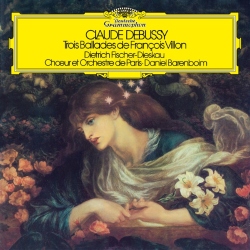
Claude Debussy
La grotte, L. 102/2
Released Album
Recent Album

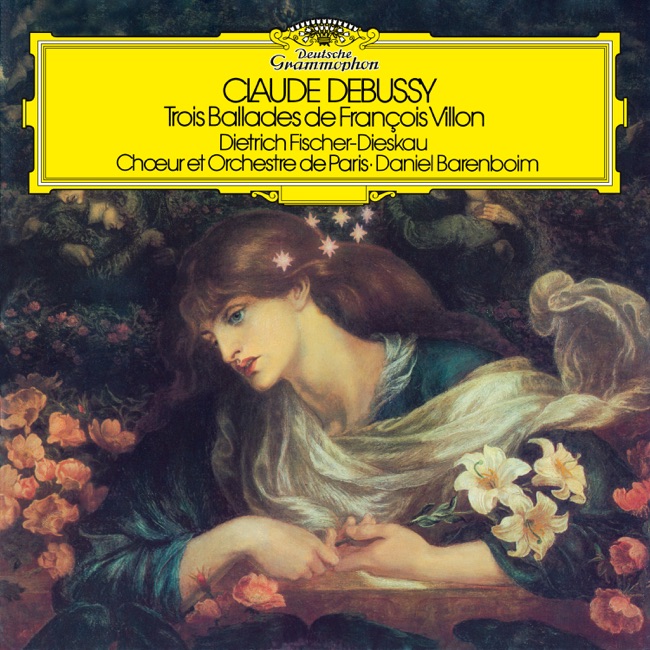

Works Info
Composer:Claude DebussyGenre:VocalStyle:Song: Art SongCompose Date:1904Average_duration:2:33La grotte, L. 102/2 is a piano piece composed by Claude Debussy in 1901. It is the second movement of his three-movement suite, entitled "La soirée dans Grenade" (Evening in Granada), which was inspired by the composer's travels to Spain. The suite was first premiered on December 9, 1903, in Paris, with Ricardo Viñes as the pianist. The title of the piece, "La grotte," translates to "The Cave" in English. The music is meant to evoke the image of a mysterious and dark cave, with its twisting and turning passages and hidden corners. The piece begins with a slow and haunting melody, played in the lower register of the piano. This melody is then repeated, with slight variations, as the music builds in intensity. The middle section of the piece features a faster and more rhythmic melody, which is played in the higher register of the piano. This melody is then repeated, with the addition of a more complex accompaniment. The piece ends with a return to the slow and haunting melody of the beginning, which fades away into silence. One of the most notable characteristics of "La grotte" is its use of impressionistic techniques. Debussy was known for his use of non-traditional harmonies and rhythms, as well as his emphasis on tone color and texture. In "La grotte," he uses these techniques to create a sense of mystery and darkness, as well as to evoke the image of a cave. The slow and haunting melody of the beginning, for example, is played in a low register and is accompanied by dissonant harmonies, which create a sense of unease. The faster and more rhythmic melody of the middle section, on the other hand, is played in a higher register and is accompanied by a more complex and syncopated rhythm, which creates a sense of movement and energy. Overall, "La grotte" is a haunting and evocative piece of music, which showcases Debussy's unique style and his ability to create vivid musical images. Its use of impressionistic techniques and its emphasis on tone color and texture make it a quintessential example of Debussy's music.More....
Works Music
Released Music