Antonio Maria Bononcini
Dio E la Vergine
Released Album
Recent Album
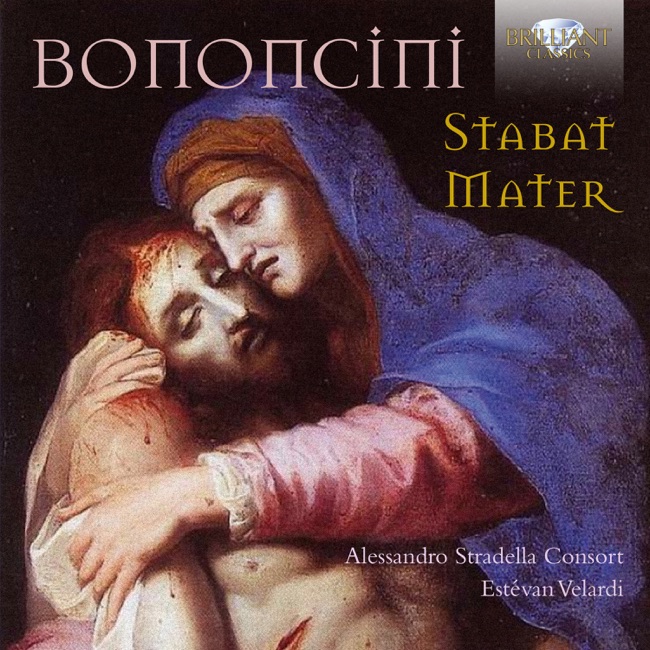
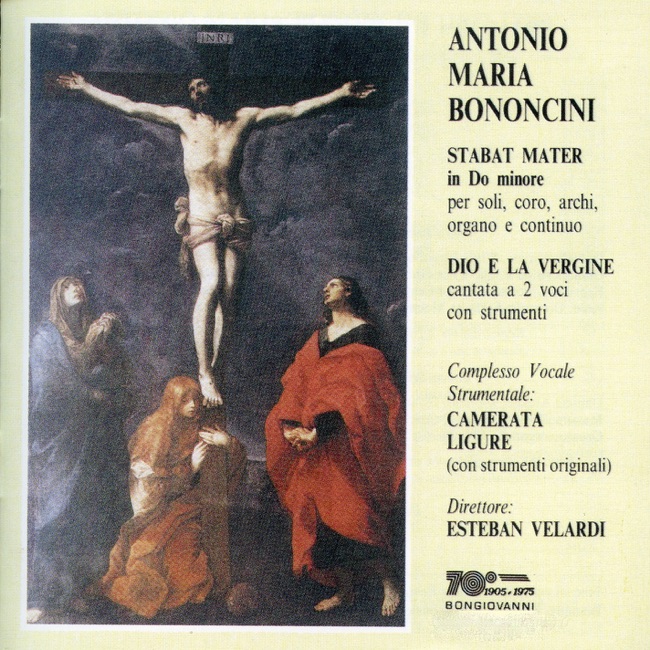
Works Info
Composer:Antonio Maria BononciniGenre:MiscellaneousAverage_duration:16:28"Dio e la Vergine" is a sacred cantata composed by Antonio Maria Bononcini, an Italian composer of the Baroque era. The cantata was composed in the early 18th century and premiered in 1707 in Rome. It is a vocal work that consists of four movements, each with its own unique characteristics. The first movement, "Dio e la Vergine," is a duet for soprano and alto voices. It begins with a slow and solemn introduction, with the voices singing in unison. The music then becomes more lively and expressive, with the two voices intertwining and harmonizing. The movement is characterized by its use of counterpoint and the interplay between the two voices. The second movement, "O Vergine," is a solo for soprano voice. It is a lyrical and expressive aria that showcases the singer's vocal range and agility. The music is characterized by its use of ornamentation and the singer's ability to convey emotion through her voice. The third movement, "O Dio," is a solo for alto voice. It is a more subdued and introspective aria, with the singer reflecting on her relationship with God. The music is characterized by its use of chromaticism and the singer's ability to convey a sense of longing and introspection. The final movement, "Gloria al Padre," is a duet for soprano and alto voices. It is a joyful and celebratory aria that praises God. The music is characterized by its use of lively rhythms and the interplay between the two voices. Overall, "Dio e la Vergine" is a beautiful and expressive work that showcases Bononcini's skill as a composer. Its use of vocal counterpoint, ornamentation, and expressive melodies make it a quintessential example of Baroque vocal music.More....
Works Music
Released Music