


Carlo Gesualdo
O Oriens, W. 9/31
Released Album
Recent Album
-
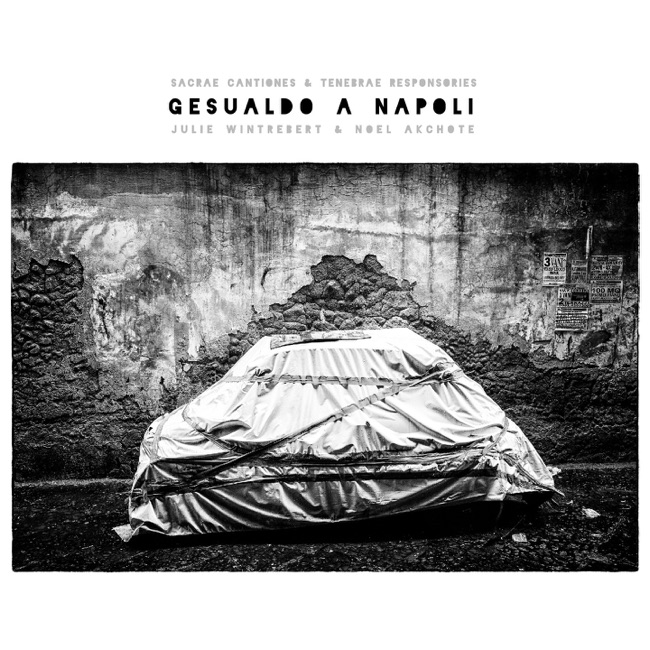 Julie WintrebertNovember 22, 2019
 -

-
Featured Album

Works Info
Composer:Carlo GesualdoGenre:ChoralCompose Date:1603Average_duration:2:36'O Oriens, W. 9/31' is a sacred motet composed by Carlo Gesualdo, an Italian composer and nobleman of the late Renaissance period. The piece was composed in the late 16th century, around 1590, and was premiered in Gesualdo's private chapel in his castle in Gesualdo, Italy. The motet is part of Gesualdo's collection of sacred music, which includes numerous motets and madrigals. 'O Oriens' is a six-voice motet, written for two sopranos, alto, two tenors, and bass. The piece is based on a text from the Book of Isaiah, which refers to the coming of the Messiah and the light that he will bring to the world. The motet is divided into three movements, each of which reflects a different aspect of the text. The first movement is slow and contemplative, with the voices singing in a homophonic texture. The second movement is more lively and rhythmic, with the voices weaving in and out of each other in a complex polyphonic texture. The final movement returns to the slower, contemplative mood of the first movement, with the voices gradually fading away to a peaceful conclusion. One of the most striking characteristics of 'O Oriens' is Gesualdo's use of chromaticism. The piece is full of unexpected harmonic twists and turns, with the voices often moving in unexpected directions. This use of chromaticism was a hallmark of Gesualdo's style, and was highly unusual for the time. It gives the piece a sense of emotional intensity and drama, which is particularly effective in conveying the text's message of hope and salvation. Overall, 'O Oriens' is a beautiful and powerful piece of sacred music, which showcases Gesualdo's unique compositional style. Its premiere in Gesualdo's private chapel would have been a rare and special event, and it remains a testament to the composer's skill and creativity to this day.More....
Works Music
Released Music
1
1:51

Featured Music
1
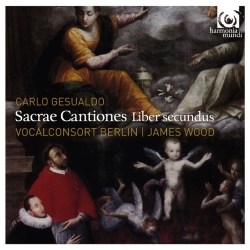
O Oriens, W. 9/31
O oriens (from Sacre Cantiones, liber secundus): Prayers for Salvation. 1. Virgo benedicta
2:36