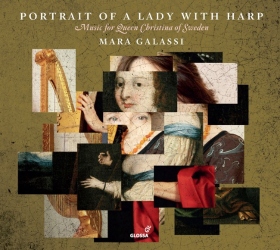
Bernardo Pasquini
Alemanda d'Ongheria for keyboard
Released Album
Recent Album
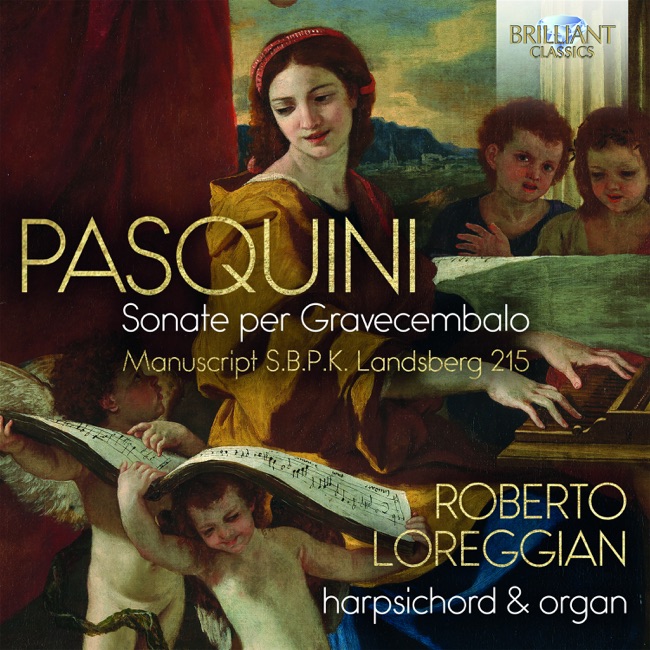
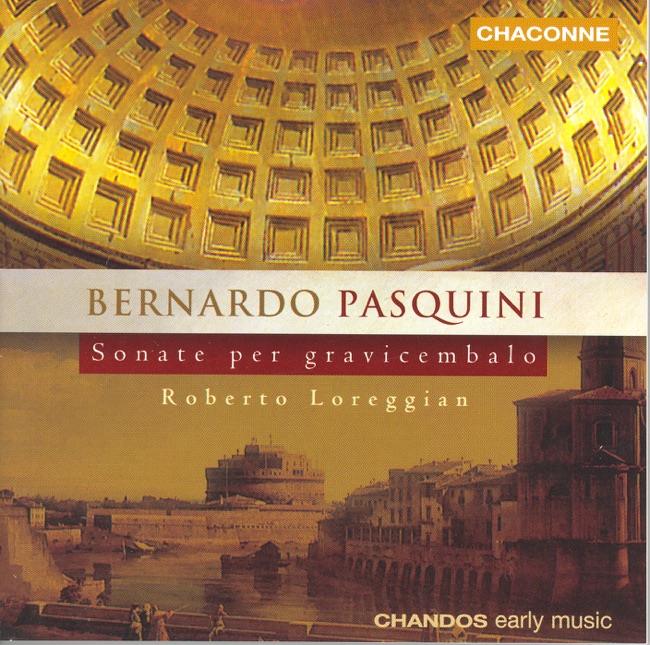
Featured Album
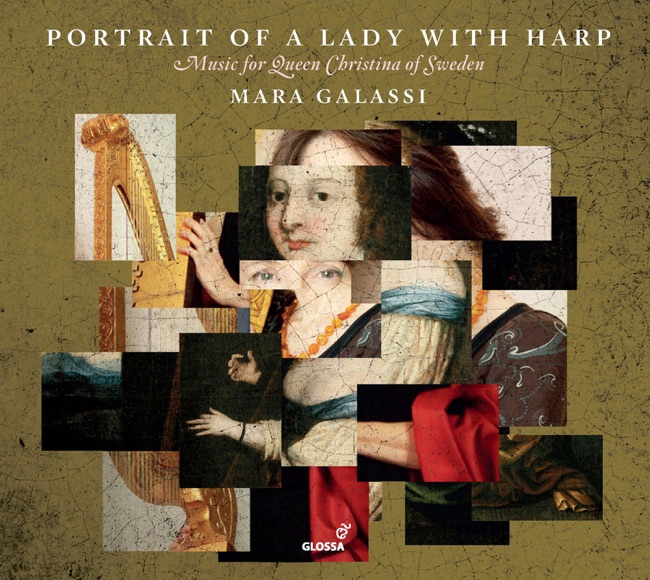
Works Info
Composer:Bernardo PasquiniGenre:KeyboardStyle:KeyboardAverage_duration:4:58Bernardo Pasquini was an Italian composer and keyboard virtuoso of the Baroque era. He was born in 1637 in Tuscany and died in 1710 in Rome. Pasquini was a prolific composer, and his works include operas, oratorios, cantatas, and keyboard music. One of his most famous keyboard works is the "Alemanda d'Ongheria." The "Alemanda d'Ongheria" is a keyboard piece that was composed by Pasquini in the late 17th century. It is believed to have been written for the harpsichord or the organ. The piece is in the key of G minor and is in binary form, meaning it has two sections that are repeated. The tempo is moderate, and the piece is characterized by its lively and rhythmic melody. The "Alemanda d'Ongheria" is divided into two movements. The first movement is in G minor and is marked by a lively and rhythmic melody. The second movement is in G major and is more lyrical and expressive. The two movements are connected by a short transitional passage. The first movement of the "Alemanda d'Ongheria" is characterized by its lively and rhythmic melody. The piece begins with a short introduction that sets the mood for the rest of the movement. The main theme is then introduced, and it is characterized by its lively and rhythmic melody. The theme is then developed and varied throughout the movement, with the use of different rhythms and harmonies. The second movement of the "Alemanda d'Ongheria" is more lyrical and expressive than the first movement. It is in G major and is marked by a more flowing and melodic melody. The movement begins with a short introduction that leads into the main theme. The theme is then developed and varied throughout the movement, with the use of different rhythms and harmonies. Overall, the "Alemanda d'Ongheria" is a lively and rhythmic keyboard piece that showcases Pasquini's skill as a composer and keyboard virtuoso. The piece is characterized by its lively and rhythmic melody, and it is divided into two movements that are connected by a short transitional passage. The first movement is in G minor and is marked by a lively and rhythmic melody, while the second movement is in G major and is more lyrical and expressive.More....
Works Music
Released Music
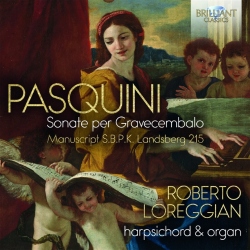
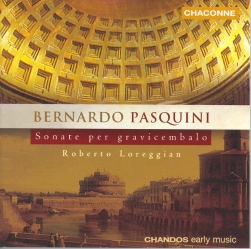
Featured Music