George Dyson
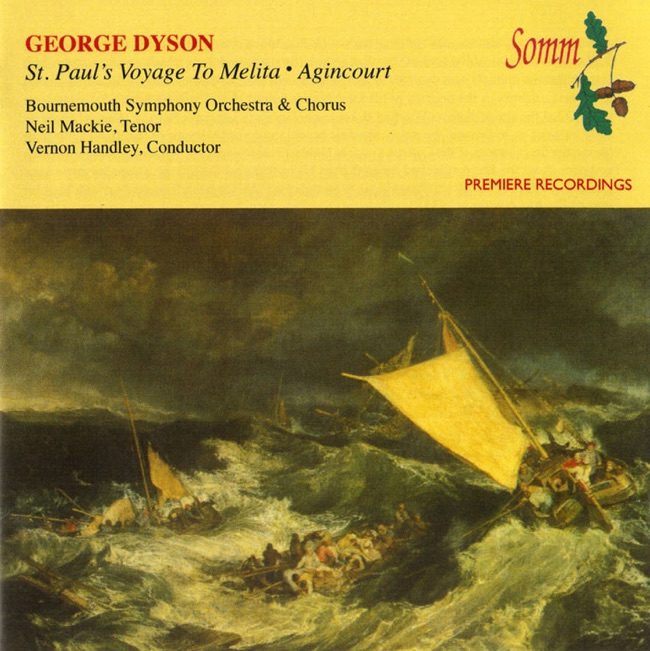
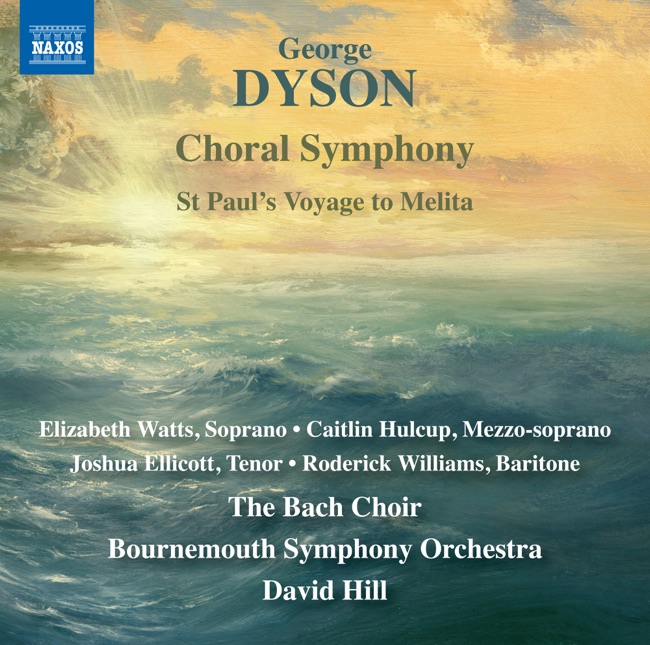
St. Paul's Voyage to Melita
Released Album
Recent Album
Featured Album
Works Info
Composer:George DysonGenre:ChoralStyle:ChoralCompose Date:1933Average_duration:30:14"St. Paul's Voyage to Melita" is a choral work composed by George Dyson in 1949. It was premiered on June 29, 1950, at the Three Choirs Festival in Worcester, England. The piece is divided into three movements and is based on the biblical account of St. Paul's shipwreck on the island of Malta. The first movement, "The Storm," begins with a dramatic orchestral introduction that sets the scene for the storm at sea. The choir enters with a powerful and urgent choral passage, depicting the fear and desperation of the sailors as they struggle to survive the storm. The music is characterized by its use of dissonance and chromaticism, which creates a sense of tension and unease. The second movement, "The Shipwreck," is a more reflective and introspective section. The choir sings a mournful melody, accompanied by a gentle and lyrical orchestral accompaniment. The music is characterized by its use of modal harmonies and a slower tempo, which creates a sense of sadness and loss. The final movement, "The Island of Melita," is a triumphant and joyful section. The choir sings a hymn of thanksgiving, accompanied by a lively and energetic orchestral accompaniment. The music is characterized by its use of major harmonies and a faster tempo, which creates a sense of celebration and relief. Overall, "St. Paul's Voyage to Melita" is a powerful and emotional choral work that showcases Dyson's skill as a composer. The piece is notable for its use of dramatic contrasts, vivid imagery, and expressive harmonies, which bring the biblical story to life in a compelling and memorable way.More....
Works Music
Released Music
Featured Music