Edward Bairstow
Magnificat and Nunc Dimittis in D major
Released Album
Recent Album
Works Info
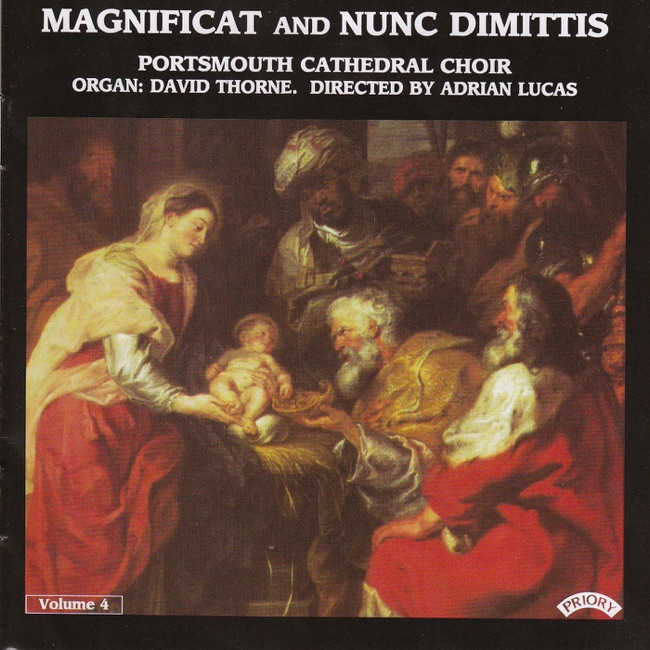
Composer:Edward BairstowGenre:ChoralStyle:ChoralAverage_duration:8:03Movement_count:2Movement ....Edward Bairstow's Magnificat and Nunc Dimittis in D major is a choral work that was composed in 1946. It was premiered on 6th October 1946 at York Minster, where Bairstow was the organist and choirmaster. The work is divided into two movements, the Magnificat and the Nunc Dimittis, which are both based on the texts from the Gospel of Luke. The Magnificat is a hymn of praise that Mary sings after she is visited by the angel Gabriel and told that she will give birth to Jesus. Bairstow's setting of the Magnificat is characterized by its grandeur and majesty. The opening bars of the piece are marked by a fanfare-like motif in the brass, which is then taken up by the choir. The music builds in intensity as the choir sings Mary's words of praise, with the organ providing a rich and full accompaniment. The Magnificat ends with a triumphant Amen. The Nunc Dimittis is a hymn of thanksgiving that is traditionally sung by Simeon after he sees the infant Jesus in the temple. Bairstow's setting of the Nunc Dimittis is more subdued than the Magnificat, but it still has a sense of quiet joy and contentment. The opening bars of the piece are marked by a gentle melody in the choir, which is then taken up by the organ. The music builds in intensity as the choir sings Simeon's words of thanksgiving, with the organ providing a rich and full accompaniment. The Nunc Dimittis ends with a peaceful Amen. Overall, Bairstow's Magnificat and Nunc Dimittis in D major is a powerful and uplifting choral work that showcases his skill as a composer and his deep understanding of the texts that inspired it. The work is characterized by its grandeur, majesty, and sense of quiet joy, and it remains a beloved piece of choral music to this day.More....
Works Music
Released Music